Citation Information
Achuthan et al., J Life Sci Vol.1, No. 1, June 2019:39-45 http://doi.org/c8z2 PMCID: PMC6707730 PMID: 31448372
HIV-1 integration favors active chromatin, which is primarily mediated through interactions between the viral capsid and integrase proteins with host factors cleavage and polyadenylation specificity factor 6 (CPSF6) and lens epithelium-derived growth factor/p75, respectively. Previously published image-based studies had suggested that HIV-1 prefers to integrate into chromatin that associates spatially with the nuclear periphery. Here, we re-evaluated previously reported HIV-1 nuclear distance measures across studies and show that HIV-1 prefers peri-nuclear and mid-nuclear zones similarly, with a common preference between studies mapping to the boundary between these two radial areas. We also discuss emerging roles for the capsid-CPSF6 interaction in facilitating HIV-1 pre-integration complex nuclear import and subsequent intranuclear trafficking to preferred sites of viral DNA integration.
Keywords: HIV nuclear trafficking; CPSF6; HIV integration; HIV capsid; HIV integrase; LEDGF/p75; nuclear import; pre-integration complex.
HIV-1, like all retroviruses, reverse transcribes its RNA genome into DNA and integrates the DNA copy into a host cell chromosome. After integration, retroviruses rely on host transcription machinery to produce viral proteins and genomic RNA, both of which co-assemble into nascent viral particles. The HIV-1 ribonucleoprotein complex, which consists of the RNA together with viral nucleocapsid proteins and replication enzymes reverse transcriptase and integrase (IN), is encased by a conical capsid shell composed of the viral capsid (CA) protein (reviewed (1)).
After HIV-1 enters a susceptible target cell via lipid membrane fusion, reverse transcription happens within a subviral nucleoprotein complex called the Reverse Transcription Complex (RTC)(2) CA protein within the RTC helps to protect the viral DNA against host defense mechanisms in the cytoplasm(3-5) and the viral capsid shell is gradually shed from the RTC as it is transported towards the nucleus (reviewed in)(1)(6)(7) Once the RTC becomes competent for integration, it is referred to as the pre-integration complex (PIC)(7) and some CA protein remains associated with the HIV-1 PIC after nuclear entry(7). IN functions as part of the intasome nucleoprotein complex composed of an IN multimer and the ends of the linear viral reverse transcript (reviewed in (14)).
HIV-1 integration targeting
HIV-1 integration into cellular DNA is not random, with the virus favoring the interior regions of transcriptionally active genes residing in relatively gene-dense regions of chromatin (15). HIV-1 integration targeting preference is largely driven by the interaction of two viral proteins, IN and CA, with respective cellular proteins lens epithelium-derived growth factor (LEDGF)/p75 and cleavage and polyadenylation specificity factor (CPSF) 6. Depletion of either of these two host factors results in significant reduction of integration into genes and gene-dense regions (16). Although depleting either LEDGF/p75 or CPSF6 reduces intragenic integration, the two factors influence HIV-1 integration in different ways. LEDGF/p75 depletion shifts intragenic integration towards the 5, end regions of the genes, whereas CPSF6 depletion results in HIV-1 dramatically losing preference for integration near activating epigenetic marks and instead favoring gene-sparse regions. These results suggest that LEDGF/p75 primarily functions to position integration along the genes, whereas CPSF6 predominantly shields HIV-1 from integration into heterochromatin (21). It was unclear until our recent publication (22) how these contrasting roles of CPSF6 and LEDGF/p75 in HIV-1 integration targeting influenced viral DNA localization inside the nucleus.
HIV-1 nuclear localization during acute infection
Different imaging techniques such as induced double stranded DNA breaks (SCIP for single-cell imaging of HIV-1 provirus)(23)(24), fluorescently labelled IN proteins (25), fluorescently labelled cyclophilin A protein that interacts with CA(3), immuno-DNA fluorescent in situ hybridization (FISH) (30), branch-chain DNA FISH (11), click chemistry (9), and stimulated emission depletion (STED) microscopy (10), have been used to track HIV-1 PICs inside the nucleus. Analyses of intranuclear position are facilitated by determining the relative radial distance of the imaged HIV-1 focus from the nuclear envelope (NE), and binning the results into three concentric nuclear zones of equal area (30)(31) The most peripheral zone, peripheral nuclear (PN), has a width of 0.184 x r (nuclear radius); the mid-nuclear (MN) zone ranges from 0.184 x r to 0.422 x r; and the inner-most central nuclear (CN) zone has a width of 0.422 x r (Fig. 1A). A majority of prior imaging studies had indicated that HIV-1 preferentially integrates into active chromatin within the PN area(3)(23)(25-27)(29) proximal to the nuclear pore [30]. But re-evaluating the reported radial distance measures across studies shows that HIV-1 PICs and proviruses target PN and MN areas similarly, with a preference for the boundary between thesetwo areas(22).
Although HIV-1 normally infects CD4+ cells such as T cells and macrophages, numerous microscopy studies utilized HeLa cells (7.4 µm average nuclear radius) due to their compatibility with imaging technologies. HIV-1 PICs located within 0.4 - 2.0 µm from the NE of HeLa cell nuclei, equating to 0.05 - 0.25 x r, mapping to the PN and MN areas (25). A separate study reported that the average distance traveled by PICs into HeLa cell nuclei was 1.2-1.6 µm, equating to 0.16-0.22 x r, again representing the PN and MN areas (26). Tracking the translocation of fluorescently labeled HIV-1 complexes confirmed 1.4 µm (or 0.19 x r) as the average distance travelled into HeLa cell nuclei (29), equating to the interface between the PN and MN areas. Another study tracking the nuclear progression of single HIV-1 particles(3) measured 1.8 µm as the average distance travelled by PICs in HeLa cell nuclei, which is 0.24 x r (MN area). Imaging HIV-1 proviruses using the SCIP technique, Di Primio et al. (23). reported that 55% of HIV-1 proviruses mapped within 1.5 µm from the NE of U2OS cell nuclei, which equates to 0.19 x r and thus is consistent with the PN-MN interface. In this same report, the authors saw that 62% of integrated proviruses mapped within 0.5 µm from the NE of CEMss T cell nuclei at 2 days post infection, placing the virus at 0.09 x r (PN). However, eleven days later, HIV-1 proviruses distributed randomly throughout the T cell nuclei (23) While the majority of HIV-1 (NL4-3 strain) nuclear foci localized in the PN area of primary CD4+ T cells, the related HIV-1 (BRU) strain localized similarly to the PN and MN areas (30)
Visualizing HIV-1 proviruses by branched-DNA FISH technology, we initially reported preferential localization of HIV-1 PICs and proviruses to the PN area of primary CD4+ T cell nuclei (11). However, by using radial cutoffs of 0.5 x r for CN and 0.5 x r to 0.75 x r for MN, we since realized our prior bin sizes were modestly unequal (the proper radial cutoffs for respective CN and MN boundaries are 0.58 x r and 0.82 x r; Fig. 1A) (30-32) which underrepresented the CN area by ~25% and inflated PN area by ~30% (Fig. 1A and 1B). The fractional PN localization that we had previously documented became equalized with other nuclear sections when datasets were reanalyzed using the corrected areas (Fig. 1C-D). In summary, imaging experiments do not strongly support preferential localization of HIV-1 in the nuclear periphery. We recently showed, using multiple orthologous approaches, that HIV-1 locates equally to the PN and MN areas, with some penetration into the CN area as well (22) Using branched-DNA hybridization and the SCIP technique, we failed to observe HIV-1 enrichment at the nuclear periphery in a variety of cell types.
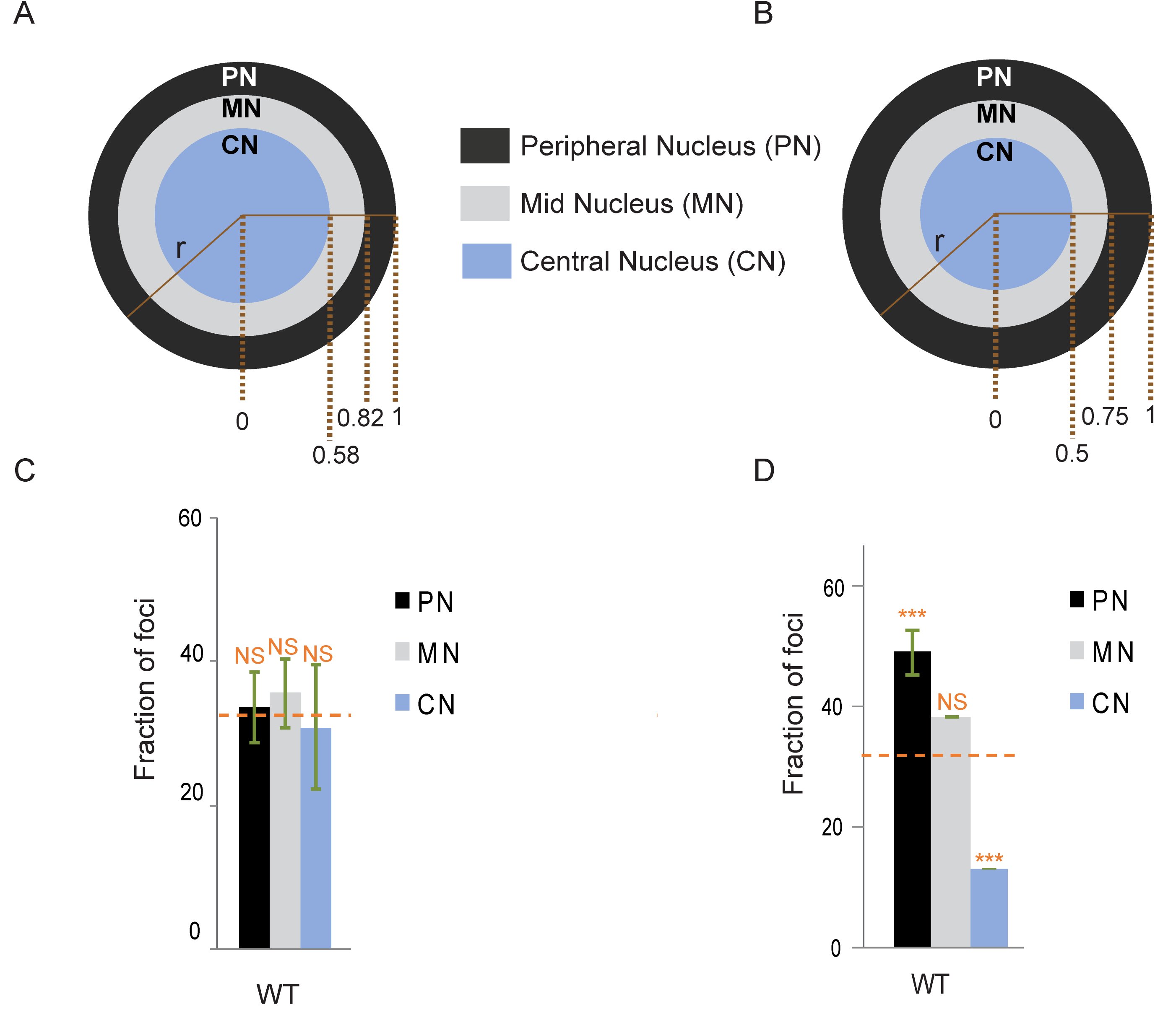
Fig.1 Meta-analysis with correct bin sizes downplays specific targeting of the PN during HIV-1 infection.
(A) Nucleus is divided into three sections of equal area based on the measured radius (r). (B) The three sectional cutoffs used in (11). that marginally underrepresented the CN and inflated the true PN area. (C) and (D) Bar graphs displaying the proportion of viral DNA from a primary CD4+ T cell sample (11) binned into sectional areas as shown above in respective panels A and B. Orange dashed line indicates the expected random distribution among the PN, MN, and CN areas. *** P < 0.0001, ** P < 0.01 and NS P > 0.05 compared to random using Chi-Square test.
CA-CPSF6 interaction licenses HIV-1 to penetrate cell nuclei
Prior to our work, there was a disagreement regarding the potential role for LEDGF/p75 in the localization of HIV-1 within the nucleus, with two reports indicating that LEDGF/p75 played an important role in peripheral nuclear targeting (27)(30) and two other reports suggesting that LEDGF/p75 does not contribute to intranuclear localization (28, 29). In terms of CPSF6, we had reported earlier that the interaction with CA was important for HIV-1 to penetrate into the nucleus (11) To systematically analyze the roles of both cell proteins, we imaged viral DNA foci and mapped sites of HIV-1 integration using an isogenic set of HEK293T cells that were knocked out for LEDGF/p75, CPSF6, or both factors. We additionally visualized the intranuclear localization of preferred integration gene targets in uninfected HEK293T and primary CD4+ T cells. We did not observe a significant role for LEDGF/p75 in determining the localization of HIV-1 inside the nucleus. However, loss of the interaction of CA with CPSF6 dramatically altered virus localization towards the nuclear periphery, with > 60% of HIV-1 foci locating to the PN area in CPSF6 knockout HEK293T cells and in CD4+ T cells infected with a CA mutant virus defective for the interaction with CPSF6. This shift in peripheral localization strongly correlated with integration of HIV-1 into transcriptionally inactive heterochromatin associated with the nuclear lamina [lamin-associated domains (LADs)] located at the nuclear periphery.
The role of CPSF6 in licensing HIV-1 PICs to transcriptionally active genes distal from the nuclear periphery became even more obvious when we analyzed the genes that are repeatedly targeted for HIV-1 integration under normal and CPSF6 depleted conditions. Under normal conditions, HIV-1 targeted comparatively small, transcriptionally active genes that dispersed throughout the nucleus. But when the CA-CPSF6 interaction was disrupted, this preference was lost. A unique set of genes that were larger, transcriptionally less active, and predominantly located in the PN area were enriched for HIV-1 integration upon CPSF6 depletion (22). Furthermore, evidence for the role of CPSF6 in intranuclear targeting is evident from independent studies that imaged single HIV-1 particles inside the nucleus (3)(10)(11) Francis and Melikyan (3) reported that while WT HIV-1 penetrated on average 1.8 µm from the NE in HeLa cells, mutant HIV-1 CA virus defective for the interaction with CPSF6 traveled on average only 0.5 µm from the NE. Using two-color STED microscopy, Bejarano et al. (10) reported that CPSF6 is recruited to HIV-1 PICs at the nuclear basket in primary CD4+ macrophages, which is essential for the PICs to release from the NE and travel inside the nucleus. They further observed that the majority of wild–type HIV-1 PICs upon CPSF6 depletion and HIV-1 CA mutant viral PICs defective for CPSF6 binding remained arrested at the NE, unable to enter the nucleus. Thus, the inability for PIC-associated CA to interact with CPSF6 renders HIV-1 unable to penetrate into cell nuclei, redirecting integration into chromatin in association with the nuclear lamina (Fig. 2). Roles for CPSF6 and LEDGF/p75 in the intranuclear localization of other lentiviruses, whether CPSF6 is initially recruited by HIV-1 in the cytoplasm or in the nucleus, and whether CPSF6 accompanies the PIC as it transits beyond the NE are active areas of investigation.
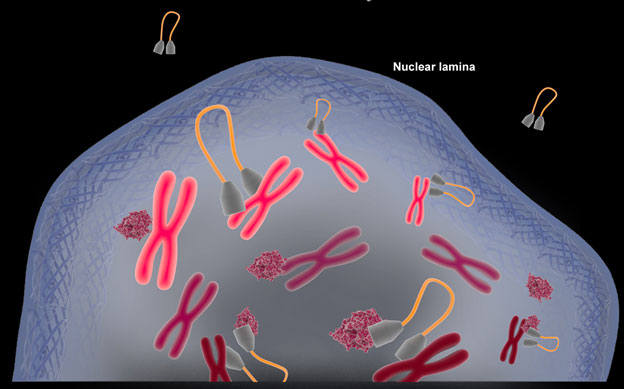
Fig.2 Inability to engage CPSF6 shifts HIV-1 localization and integration to the outer region of the nucleus.
Engagement of CPSF6 (pink globules) by the HIV-1 capsid as part of the PIC (grey polygons with orange DNA loop) is required to bypass the nuclear lamina (peripheral wire mesh) and access interior gene-dense regions of the genome (red chromosomes) for integration. Lack of CPSF6 engagement impedes penetration into the nucleus, resulting in integration into gene-sparse heterochromatin (shown as pink chromosomes) associated with the nuclear lamina.
Acknowledgements
Dr. Engelman acknowledges the support of NIH grants AI039394, AT052014, and AI070042. Dr. Brass acknowledges the funding support from the Bill and Melinda Gates Foundation and Gilead Sciences Inc.
References
1. Yamashita, M. and A.N. Engelman, Capsid-Dependent Host Factors in HIV-1 Infection. Trends Microbiol, 2017. 25(9): p. 741-755. https://doi.org/10.1016/j.tim.2017.04.004 PMid:28528781 PMCid:PMC5562514
2. Fassati, A. and S.P. Goff, Characterization of intracellular reverse transcription complexes of human immunodeficiency virus type 1. J Virol, 2001. 75(8): p. 3626-35. https://doi.org/10.1128/JVI.75.8.3626-3635.2001 PMid:11264352 PMCid:PMC114854
3. Francis, A.C. and G.B. Melikyan, Single HIV-1 Imaging Reveals Progression of Infection through CA-Dependent Steps of Docking at the Nuclear Pore, Uncoating, and Nuclear Transport. Cell Host Microbe, 2018. 23(4): p. 536-548 e6. https://doi.org/10.1016/j.chom.2018.03.009 PMid:29649444 PMCid:PMC5901770
4. Jacques, D.A., et al., HIV-1 uses dynamic capsid pores to import nucleotides and fuel encapsidated DNA synthesis. Nature, 2016. 536(7616): p. 349-53. https://doi.org/10.1038/nature19098 PMid:27509857 PMCid:PMC4998957
5. Rasaiyaah, J., et al., HIV-1 evades innate immune recognition through specific cofactor recruitment. Nature, 2013. 503(7476): p. 402-405. https://doi.org/10.1038/nature12769 PMid:24196705 PMCid:PMC3928559
6. Ambrose, Z. and C. Aiken, HIV-1 uncoating: connection to nuclear entry and regulation by host proteins. Virology, 2014. 454-455: p. 371-9. https://doi.org/10.1016/j.virol.2014.02.004 PMid:24559861 PMCid:PMC3988234
7. Campbell, E.M. and T.J. Hope, HIV-1 capsid: the multifaceted key player in HIV-1 infection. Nat Rev Microbiol, 2015. 13(8): p. 471-83. https://doi.org/10.1038/nrmicro3503 PMid:26179359 PMCid:PMC4876022
8. Bowerman, B., et al., A nucleoprotein complex mediates the integration of retroviral DNA. Genes & Development, 1989. 3(4): p. 469-478. https://doi.org/10.1101/gad.3.4.469
9. Peng, K., et al., Quantitative microscopy of functional HIV post-entry complexes reveals association of replication with the viral capsid. Elife, 2014. 3: p. e04114. https://doi.org/10.7554/eLife.04114 PMid:25517934 PMCid:PMC4293571
10. Bejarano, D.A., et al., HIV-1 nuclear import in macrophages is regulated by CPSF6-capsid interactions at the nuclear pore complex. Elife, 2019. 8: p. 8:e41800. https://doi.org/10.7554/eLife.41800 PMid:30672737 PMCid:PMC6400501
11. Chin, C.R., et al., Direct visualization of HIV-1 replication intermediates shows that capsid and CPSF6 modulate HIV-1 intra-nuclear invasion and integration. Cell Rep, 2015. 13(8): p. 1717-31. https://doi.org/10.1016/j.celrep.2015.10.036 PMid:26586435 PMCid:PMC5026322
12. Hulme, A.E., et al., Complementary assays reveal a low level of CA associated with viral complexes in the nuclei of HIV-1-infected cells. J Virol, 2015. 89(10): p. 5350-61. https://doi.org/10.1128/JVI.00476-15 PMid:25741002 PMCid:PMC4442523
13. Chen, N.Y., et al., HIV-1 capsid is involved in post-nuclear entry steps. Retrovirology, 2016. 13: p. 28. https://doi.org/10.1186/s12977-016-0262-0 PMid:27107820 PMCid:PMC4842275
14. Engelman, A.N. and P. Cherepanov, Retroviral intasomes arising. Curr Opin Struct Biol, 2017. 47: p. 23-29. https://doi.org/10.1016/j.sbi.2017.04.005 PMid:28458055 PMCid:PMC5660667
15. Schroder, A.R.W., et al., HIV-1 integration in the human genome favors active genes and local hotspots. Cell, 2002. 110: p. 521-529. https://doi.org/10.1016/S0092-8674(02)00864-4
16. Ciuffi, A., et al., A role for LEDGF/p75 in targeting HIV DNA integration. Nat Med, 2005. 11(12): p. 1287-9. https://doi.org/10.1038/nm1329 PMid:16311605
17. Shun, M.C., et al., LEDGF/p75 functions downstream from preintegration complex formation to effect gene-specific HIV-1 integration. Genes Dev, 2007. 21(14): p. 1767-78. https://doi.org/10.1101/gad.1565107 PMid:17639082 PMCid:PMC1920171
18. Marshall, H.M., et al., Role of PSIP1/LEDGF/p75 in lentiviral infectivity and integration targeting. PLoS One, 2007. 2(12): p. e1340. https://doi.org/10.1371/journal.pone.0001340 PMid:18092005 PMCid:PMC2129110
19. Schrijvers, R., et al., HRP-2 determines HIV-1 integration site selection in LEDGF/p75 depleted cells. Retrovirology, 2012. 9: p. 84. https://doi.org/10.1186/1742-4690-9-84 PMid:23046603 PMCid:PMC3485173
20. Singh, P.K., et al., LEDGF/p75 interacts with mRNA splicing factors and targets HIV-1 integration to highly spliced genes. Genes Dev, 2015. 29(21): p. 2287-97. https://doi.org/10.1101/gad.267609.115 PMid:26545813 PMCid:PMC4647561
21. Sowd, G.A., et al., A critical role for alternative polyadenylation factor CPSF6 in targeting HIV-1 integration to transcriptionally active chromatin. Proc Natl Acad Sci U S A, 2016. 113(8): p. E1054-63. https://doi.org/10.1073/pnas.1524213113 PMid:26858452 PMCid:PMC4776470
22. Achuthan, V., et al., Capsid-CPSF6 Interaction Licenses Nuclear HIV-1 Trafficking to Sites of Viral DNA Integration. Cell Host Microbe, 2018. 24(3): p. 392-404 e8. https://doi.org/10.1016/j.chom.2018.08.002 PMid:30173955
23. Di Primio, C., et al., Single-cell imaging of HIV-1 provirus (SCIP). Proc Natl Acad Sci U S A, 2013. 110(14): p. 5636-41. https://doi.org/10.1073/pnas.1216254110 PMid:23513220 PMCid:PMC3619299
24. Francis, A.C., et al., Second generation imaging of nuclear/cytoplasmic HIV-1 complexes. AIDS Res Hum Retroviruses, 2014. 30(7): p. 717-26. https://doi.org/10.1089/aid.2013.0277 PMid:24798748 PMCid:PMC4077004
25. Albanese, A., et al., HIV-1 pre-integration complexes selectively target decondensed chromatin in the nuclear periphery. PLoS One, 2008. 3(6): p. e2413. https://doi.org/10.1371/journal.pone.0002413 PMid:18545681 PMCid:PMC2398779
26. Burdick, R.C., W.S. Hu, and V.K. Pathak, Nuclear import of APOBEC3F-labeled HIV-1 preintegration complexes. Proc Natl Acad Sci U S A, 2013. 110(49): p. E4780-9. https://doi.org/10.1073/pnas.1315996110 PMid:24248339 PMCid:PMC3856795
27. Vranckx, L.S., et al., LEDGIN-mediated Inhibition of Integrase-LEDGF/p75 Interaction Reduces Reactivation of Residual Latent HIV. EBioMedicine, 2016. 8: p. 248-264. https://doi.org/10.1016/j.ebiom.2016.04.039 PMid:27428435 PMCid:PMC4919729
28. Quercioli, V., et al., Comparative analysis of HIV-1 and murine leukemia virus three-dimensional nuclear distributions. J Virol, 2016. 90(10): p. 5205-9. https://doi.org/10.1128/JVI.03188-15 PMid:26962222 PMCid:PMC4859700
29. Burdick, R.C., et al., Dynamics and regulation of nuclear import and nuclear movements of HIV-1 complexes. PLoS Pathog, 2017. 13(8): p. e1006570. https://doi.org/10.1371/journal.ppat.1006570 PMid:28827840 PMCid:PMC5578721
30. Marini, B., et al., Nuclear architecture dictates HIV-1 integration site selection. Nature, 2015. 521(7551): p. 227-31. https://doi.org/10.1038/nature14226 PMid:25731161
31. Nagai, S., et al., Functional targeting of DNA damage to a nuclear pore-associated SUMO-dependent ubiquitin ligase. Science, 2008. 322(5901): p. 597-602. https://doi.org/10.1126/science.1162790 PMid:18948542 PMCid:PMC3518492
32. Towbin, B.D., et al., Step-wise methylation of histone H3K9 positions heterochromatin at the nuclear periphery. Cell, 2012. 150(5): p. 934-47. https://doi.org/10.1016/j.cell.2012.06.051 PMid:22939621
References
1. Chun, T.W., et al., Effect of interleukin-2 on the pool of latently infected, resting CD4+ T cells in HIV-1-infected patients receiving highly active anti-retroviral therapy. Nat Med, 1999. 5(6): p. 651-5.https://doi.org/10.1038/9498 PMid:10371503
2. Ostrowski, M.A., et al., Both memory and CD45RA+/CD62L+ naive CD4(+) T cells are infected in human immunodeficiency virus type 1-infected individuals. J Virol, 1999. 73(8): p. 6430-5.
3. Brenchley, J.M., et al., T-cell subsets that harbor human immunodeficiency virus (HIV) in vivo: implications for HIV pathogenesis. J Virol, 2004. 78(3): p. 1160-8. https://doi.org/10.1128/JVI.78.3.1160-1168.2004 PMid:14722271 PMCid:PMC321406
4. Sonza, S., et al., Monocytes harbour replication-competent, non-latent HIV-1 in patients on highly active antiretroviral therapy. AIDS, 2001. 15(1): p. 17-22. https://doi.org/10.1097/00002030-200101050-00005 PMid:11192864
5. Le Douce, V., et al., Molecular mechanisms of HIV-1 persistence in the monocyte-macrophage lineage. Retrovirology, 2010. 7: p. 32. https://doi.org/10.1186/1742-4690-7-32 PMid:20380694 PMCid:PMC2873506
6. Koppensteiner, H., R. Brack-Werner, and M. Schindler, Macrophages and their relevance in Human Immunodeficiency Virus Type I infection. Retrovirology, 2012. 9: p. 82. https://doi.org/10.1186/1742-4690-9-82 PMid:23035819 PMCid:PMC3484033
7. Sattentau, Q.J. and M. Stevenson, Macrophages and HIV-1: An Unhealthy Constellation. Cell Host Microbe, 2016. 19(3): p. 304-10. https://doi.org/10.1016/j.chom.2016.02.013 PMid:26962941 PMCid:PMC5453177
8. Spiegel, H., et al., Follicular dendritic cells are a major reservoir for human immunodeficiency virus type 1 in lymphoid tissues facilitating infection of CD4+ T-helper cells. Am J Pathol, 1992. 140(1): p. 15-22
9. Smith, B.A., et al., Persistence of infectious HIV on follicular dendritic cells. J Immunol, 2001. 166(1): p. 690-6. https://doi.org/10.4049/jimmunol.166.1.690 PMid:11123354
10. Wu, L. and V.N. KewalRamani, Dendritic-cell interactions with HIV: infection and viral dissemination. Nat Rev Immunol, 2006. 6(11): p. 859-68. https://doi.org/10.1038/nri1960 PMid:17063186 PMCid:PMC1796806
11. Craigie, R. and F.D. Bushman, HIV DNA integration. Cold Spring Harb Perspect Med, 2012. 2(7): p. a006890. https://doi.org/10.1101/cshperspect.a006890 PMid:22762018 PMCid:PMC3385939
12. Ho, D.D., et al., Rapid turnover of plasma virions and CD4 lymphocytes in HIV-1 infection. Nature, 1995. 373(6510): p. 123-6. https://doi.org/10.1038/373123a0 PMid:7816094
13. Wei, X., et al., Viral dynamics in human immunodeficiency virus type 1 infection. Nature, 1995. 373(6510): p. 117-22. https://doi.org/10.1038/373117a0 PMid:7529365
14. Perelson, A.S., et al., HIV-1 dynamics in vivo: virion clearance rate, infected cell life-span, and viral generation time. Science, 1996. 271(5255): p. 1582-6. https://doi.org/10.1126/science.271.5255.1582 PMid:8599114
15. Lackner, A.A., M.M. Lederman, and B. Rodriguez, HIV pathogenesis: the host. Cold Spring Harb Perspect Med, 2012. 2(9): p. a007005. https://doi.org/10.1101/cshperspect.a007005 PMid:22951442 PMCid:PMC3426821
16. Sharp, P.M. and B.H. Hahn, Origins of HIV and the AIDS pandemic. Cold Spring Harb Perspect Med, 2011. 1(1): p. a006841. https://doi.org/10.1101/cshperspect.a006841 PMid:22229120 PMCid:PMC3234451
17. Campbell-Yesufu, O.T. and R.T. Gandhi, Update on human immunodeficiency virus (HIV)-2 infection. Clin Infect Dis, 2011. 52(6): p. 780-7. https://doi.org/10.1093/cid/ciq248 PMid:21367732 PMCid:PMC3106263
18. Picker, L.J., S.G. Hansen, and J.D. Lifson, New paradigms for HIV/AIDS vaccine development. Annu Rev Med, 2012. 63: p. 95-111. https://doi.org/10.1146/annurev-med-042010-085643 PMid:21942424 PMCid:PMC3368276
19. Stephenson, K.E., H.T. D'Couto, and D.H. Barouch, New concepts in HIV-1 vaccine development. Curr Opin Immunol, 2016. 41: p. 39-46. https://doi.org/10.1016/j.coi.2016.05.011 PMid:27268856 PMCid:PMC4992607
20. Haynes, B.F. and D.R. Burton, Developing an HIV vaccine. Science, 2017. 355(6330): p. 1129-1130.https://doi.org/10.1126/science.aan0662 PMid:28302812 PMCid:PMC5569908
21. Arts, E.J. and D.J. Hazuda, HIV-1 antiretroviral drug therapy. Cold Spring Harb Perspect Med, 2012. 2(4): p. a007161. https://doi.org/10.1101/cshperspect.a007161 PMid:22474613 PMCid:PMC3312400
22. Coffin, J.M., HIV population dynamics in vivo: implications for genetic variation, pathogenesis, and therapy. Science, 1995. 267(5197): p. 483-9. https://doi.org/10.1126/science.7824947 PMid:7824947
23. Collier, A.C., et al., Combination therapy with zidovudine, didanosine and saquinavir. Antiviral Res, 1996. 29(1): p. 99. https://doi.org/10.1016/0166-3542(95)00928-0
24. Collier, A.C., et al., Treatment of human immunodeficiency virus infection with saquinavir, zidovudine, and zalcitabine. AIDS Clinical Trials Group. N Engl J Med, 1996. 334(16): p. 1011-7. https://doi.org/10.1056/NEJM199604183341602 PMid:8598838
25. D'Aquila, R.T., et al., Nevirapine, zidovudine, and didanosine compared with zidovudine and didanosine in patients with HIV-1 infection. A randomized, double-blind, placebo-controlled trial. National Institute of Allergy and Infectious Diseases AIDS Clinical Trials Group Protocol 241 Investigators. Ann Intern Med, 1996. 124(12): p. 1019-30. https://doi.org/10.7326/0003-4819-124-12-199606150-00001 PMid:8633815
26. Perelson, A.S., et al., Decay characteristics of HIV-1-infected compartments during combination therapy. Nature, 1997. 387(6629): p. 188-91. https://doi.org/10.1038/387188a0 PMid:9144290
27. Staszewski, S., et al., Safety and efficacy of lamivudine-zidovudine combination therapy in zidovudine-experienced patients. A randomized controlled comparison with zidovudine monotherapy. Lamivudine European HIV Working Group. JAMA, 1996. 276(2): p. 111-7. https://doi.org/10.1001/jama.1996.03540020033026 https://doi.org/10.1001/jama.276.2.111 PMid:8656502
28. Mansky, L.M. and H.M. Temin, Lower in vivo mutation rate of human immunodeficiency virus type 1 than that predicted from the fidelity of purified reverse transcriptase. J Virol, 1995. 69(8): p. 5087-94.
29. O'Neil, P.K., et al., Mutational analysis of HIV-1 long terminal repeats to explore the relative contribution of reverse transcriptase and RNA polymerase II to viral mutagenesis. J Biol Chem, 2002. 277(41): p. 38053-61. https://doi.org/10.1074/jbc.M204774200 PMid:12151398
30. Abram, M.E., et al., Nature, position, and frequency of mutations made in a single cycle of HIV-1 replication. J Virol, 2010. 84(19): p. 9864-78. https://doi.org/10.1128/JVI.00915-10 PMid:20660205 PMCid:PMC2937799
31. Autran, B., et al., Positive effects of combined antiretroviral therapy on CD4+ T cell homeostasis and function in advanced HIV disease. Science, 1997. 277(5322): p. 112-6. https://doi.org/10.1126/science.277.5322.112 PMid:9204894
32. Komanduri, K.V., et al., Restoration of cytomegalovirus-specific CD4+ T-lymphocyte responses after ganciclovir and highly active antiretroviral therapy in individuals infected with HIV-1. Nat Med, 1998. 4(8): p. 953-6. https://doi.org/10.1038/nm0898-953 PMid:9701250
33. Lederman, M.M., et al., Immunologic responses associated with 12 weeks of combination antiretroviral therapy consisting of zidovudine, lamivudine, and ritonavir: results of AIDS Clinical Trials Group Protocol 315. J Infect Dis, 1998. 178(1): p. 70-9. https://doi.org/10.1086/515591 PMid:9652425
34. Chun, T.W., et al., In vivo fate of HIV-1-infected T cells: quantitative analysis of the transition to stable latency. Nat Med, 1995. 1(12): p. 1284-90. https://doi.org/10.1038/nm1295-1284 PMid:7489410
35. Chun, T.W., et al., Quantification of latent tissue reservoirs and total body viral load in HIV-1 infection. Nature, 1997. 387(6629): p. 183-8. https://doi.org/10.1038/387183a0 PMid:9144289
36. Finzi, D., et al., Identification of a reservoir for HIV-1 in patients on highly active antiretroviral therapy. Science, 1997. 278(5341): p. 1295-300. https://doi.org/10.1126/science.278.5341.1295 PMid:9360927
37. Wong, J.K., et al., Recovery of replication-competent HIV despite prolonged suppression of plasma viremia. Science, 1997. 278(5341): p. 1291-5. https://doi.org/10.1126/science.278.5341.1291 PMid:9360926
38. Finzi, D., et al., Latent infection of CD4+ T cells provides a mechanism for lifelong persistence of HIV-1, even in patients on effective combination therapy. Nat Med, 1999. 5(5): p. 512-7. https://doi.org/10.1038/8394 PMid:10229227
39. Davey, R.T., Jr., et al., HIV-1 and T cell dynamics after interruption of highly active antiretroviral therapy (HAART) in patients with a history of sustained viral suppression. Proc Natl Acad Sci U S A, 1999. 96(26): p. 15109-14. https://doi.org/10.1073/pnas.96.26.15109 PMid:10611346 PMCid:PMC24781
40. Blankson, J.N., D. Persaud, and R.F. Siliciano, The challenge of viral reservoirs in HIV-1 infection. Annu Rev Med, 2002. 53: p. 557-93. https://doi.org/10.1146/annurev.med.53.082901.104024 PMid:11818490
41. Warren, J.A., G. Clutton, and N. Goonetilleke, Harnessing CD8(+) T Cells Under HIV Antiretroviral Therapy. Front Immunol, 2019. 10: p. 291. https://doi.org/10.3389/fimmu.2019.00291 PMid:30863403 PMCid:PMC6400228
42. Jones, R.B. and B.D. Walker, HIV-specific CD8(+) T cells and HIV eradication. J Clin Invest, 2016. 126(2): p. 455-63. https://doi.org/10.1172/JCI80566 PMid:26731469 PMCid:PMC4731167
43. Ho, Y.C., et al., Replication-competent noninduced proviruses in the latent reservoir increase barrier to HIV-1 cure. Cell, 2013. 155(3): p. 540-51. https://doi.org/10.1016/j.cell.2013.09.020 PMid:24243014 PMCid:PMC3896327
44. Gardner, E.M., et al., The spectrum of engagement in HIV care and its relevance to test-and-treat strategies for prevention of HIV infection. Clin Infect Dis, 2011. 52(6): p. 793-800. https://doi.org/10.1093/cid/ciq243 PMid:21367734 PMCid:PMC3106261
45. Medland, N.A., et al., The HIV care cascade: a systematic review of data sources, methodology and comparability. J Int AIDS Soc, 2015. 18: p. 20634. https://doi.org/10.7448/IAS.18.1.20634 PMid:26626715 PMCid:PMC4666907
46. Siliciano, J.D. and R.F. Siliciano, Recent developments in the effort to cure HIV infection: going beyond N = 1. J Clin Invest, 2016. 126(2): p. 409-14. https://doi.org/10.1172/JCI86047 PMid:26829622 PMCid:PMC4731192
47. Deeks, S.G. and B.D. Walker, Human immunodeficiency virus controllers: mechanisms of durable virus control in the absence of antiretroviral therapy. Immunity, 2007. 27(3): p. 406-16. https://doi.org/10.1016/j.immuni.2007.08.010 PMid:17892849
48. Pereyra, F., et al., Genetic and immunologic heterogeneity among persons who control HIV infection in the absence of therapy. J Infect Dis, 2008. 197(4): p. 563-71. https://doi.org/10.1086/526786 PMid:18275276
49. Bell, S.M. and T. Bedford, Modern-day SIV viral diversity generated by extensive recombination and cross-species transmission. PLoS Pathog, 2017. 13(7): p. e1006466. https://doi.org/10.1371/journal.ppat.1006466 PMid:28672035 PMCid:PMC5510905
50. Hahn, B.H., et al., AIDS as a zoonosis: scientific and public health implications. Science, 2000. 287(5453): p. 607-14. https://doi.org/10.1126/science.287.5453.607 PMid:10649986
51. Lessells, R.J., D.K. Katzenstein, and T. de Oliveira, Are subtype differences important in HIV drug resistance? Curr Opin Virol, 2012. 2(5): p. 636-43. https://doi.org/10.1016/j.coviro.2012.08.006 PMid:23006584 PMCid:PMC3951383
52. Santoro, M.M. and C.F. Perno, HIV-1 Genetic Variability and Clinical Implications. ISRN Microbiol, 2013. 2013: p. 481314. https://doi.org/10.1155/2013/481314 PMid:23844315 PMCid:PMC3703378
53. Singh, K., et al., Drug resistance in non-B subtype HIV-1: impact of HIV-1 reverse transcriptase inhibitors. Viruses, 2014. 6(9): p. 3535-62. https://doi.org/10.3390/v6093535 PMid:25254383 PMCid:PMC4189038
54. Wainberg, M.A. and B.G. Brenner, The Impact of HIV Genetic Polymorphisms and Subtype Differences on the Occurrence of Resistance to Antiretroviral Drugs. Mol Biol Int, 2012. 2012: p. 256982. https://doi.org/10.1155/2012/256982 PMid:22792462 PMCid:PMC3390109
55. Gottlieb, M.S., et al., Pneumocystis carinii pneumonia and mucosal candidiasis in previously healthy homosexual men: evidence of a new acquired cellular immunodeficiency. N Engl J Med, 1981. 305(24): p. 1425-31. https://doi.org/10.1056/NEJM198112103052401 PMid:6272109
56. Masur, H., et al., An outbreak of community-acquired Pneumocystis carinii pneumonia: initial manifestation of cellular immune dysfunction. N Engl J Med, 1981. 305(24): p. 1431-8. https://doi.org/10.1056/NEJM198112103052402 PMid:6975437
57. Barre-Sinoussi, F., et al., Isolation of a T-lymphotropic retrovirus from a patient at risk for acquired immune deficiency syndrome (AIDS). Science, 1983. 220(4599): p. 868-71. https://doi.org/10.1126/science.6189183 PMid:6189183
58. Clavel, F., et al., Molecular cloning and polymorphism of the human immune deficiency virus type 2. Nature, 1986. 324(6098): p. 691-5. https://doi.org/10.1038/324691a0 PMid:3025743
59. Guyader, M., et al., Genome organization and transactivation of the human immunodeficiency virus type 2. Nature, 1987. 326(6114): p. 662-9. https://doi.org/10.1038/326662a0 PMid:3031510
60. Hemelaar, J. The origin and diversity of the HIV-1 pandemic. Trends Mol Med. 2012. 18(3): p. 182-92. DOI:10.1016/j.molmed.2011.12.001 PMID:22240486
61. Plantier, J.C., et al., A new human immunodeficiency virus derived from gorillas. Nat Med, 2009. 15(8): p. 871-2. https://doi.org/10.1038/nm.2016 PMid:19648927
62. Robertson, D.L., et al., HIV-1 nomenclature proposal. Science, 2000. 288(5463): p. 55-6. https://doi.org/10.1126/science.288.5463.55d PMid:10766634
63. Vallari, A., et al., Confirmation of putative HIV-1 group P in Cameroon. J Virol, 2011. 85(3): p. 1403-7. https://doi.org/10.1128/JVI.02005-10 PMid:21084486 PMCid:PMC3020498
64. Faria, N.R., et al., HIV epidemiology. The early spread and epidemic ignition of HIV-1 in human populations. Science, 2014. 346(6205): p. 56-61. https://doi.org/10.1126/science.1256739 PMid:25278604 PMCid:PMC4254776
65. Sauter, D. and F. Kirchhoff, Multilayered and versatile inhibition of cellular antiviral factors by HIV and SIV accessory proteins. Cytokine Growth Factor Rev, 2018. 40: p. 3-12. https://doi.org/10.1016/j.cytogfr.2018.02.005 PMid:29526437
66. de Silva, T.I., M. Cotten, and S.L. Rowland-Jones, HIV-2: the forgotten AIDS virus. Trends Microbiol, 2008. 16(12): p. 588-95. https://doi.org/10.1016/j.tim.2008.09.003 PMid:18964021
67. Reeves, J.D. and R.W. Doms, Human immunodeficiency virus type 2. J Gen Virol, 2002. 83(Pt 6): p. 1253-65. https://doi.org/10.1099/0022-1317-83-6-1253 PMid:12029140
68. Ariyoshi, K., et al., Plasma RNA viral load predicts the rate of CD4 T cell decline and death in HIV-2-infected patients in West Africa. AIDS, 2000. 14(4): p. 339-44. https://doi.org/10.1097/00002030-200003100-00006 PMid:10770535
69. De Cock, K.M., et al., Epidemiology and transmission of HIV-2. Why there is no HIV-2 pandemic. JAMA, 1993. 270(17): p. 2083-6. https://doi.org/10.1001/jama.270.17.2083 https://doi.org/10.1001/jama.1993.03510170073033 PMid:8147962
70. Kanki, P.J., et al., Slower heterosexual spread of HIV-2 than HIV-1. Lancet, 1994. 343(8903): p. 943-6. https://doi.org/10.1016/S0140-6736(94)90065-5
71. Marlink, R., Lessons from the second AIDS virus, HIV-2. AIDS, 1996. 10(7): p. 689-99. https://doi.org/10.1097/00002030-199606001-00002 PMid:8805859
72. Marlink, R., et al., Reduced rate of disease development after HIV-2 infection as compared to HIV-1. Science, 1994. 265(5178): p. 1587-90. https://doi.org/10.1126/science.7915856 PMid:7915856
73. Saleh, S., et al., Insight into HIV-2 latency may disclose strategies for a cure for HIV-1 infection. J Virus Erad, 2017. 3(1): p. 7-14.
74. Simon, F., et al., Cellular and plasma viral load in patients infected with HIV-2. AIDS, 1993. 7(11): p. 1411-7. https://doi.org/10.1097/00002030-199311000-00002 PMid:7904166
75. Wilkins, A., et al., The epidemiology of HIV infection in a rural area of Guinea-Bissau. AIDS, 1993. 7(8): p. 1119-22. https://doi.org/10.1097/00002030-199308000-00015 PMid:8397950
76. Esbjornsson, J., et al., Long-term follow-up of HIV-2-related AIDS and mortality in Guinea-Bissau: a prospective open cohort study. Lancet HIV, 2018. https://doi.org/10.1016/S2352-3018(18)30254-6
77. Ganser-Pornillos, B.K., M. Yeager, and O. Pornillos, Assembly and architecture of HIV. Adv Exp Med Biol, 2012. 726: p. 441-65. https://doi.org/10.1007/978-1-4614-0980-9_20 PMid:22297526
78. Zhao, G., et al., Mature HIV-1 capsid structure by cryo-electron microscopy and all-atom molecular dynamics. Nature, 2013. 497(7451): p. 643-6. https://doi.org/10.1038/nature12162 PMid:23719463 PMCid:PMC3729984
79. Engelman, A. and P. Cherepanov, The structural biology of HIV-1: mechanistic and therapeutic insights. Nat Rev Microbiol, 2012. 10(4): p. 279-90.https://doi.org/10.1038/nrmicro2747 PMid:22421880 PMCid:PMC3588166
80. Watts, J.M., et al., Architecture and secondary structure of an entire HIV-1 RNA genome. Nature, 2009. 460(7256): p. 711-6. https://doi.org/10.1038/nature08237 PMid:19661910 PMCid:PMC2724670
81. Perilla, J.R. and A.M. Gronenborn, Molecular Architecture of the Retroviral Capsid. Trends Biochem Sci, 2016. 41(5): p. 410-420. 82. Schiller, J. and B. Chackerian, Why HIV virions have low numbers of envelope spikes: implications for vaccine development. PLoS Pathog, 2014. 10(8): p. e1004254. https://doi.org/10.1371/journal.ppat.1004254 PMid:25101974 PMCid:PMC4125284
83. Ward, A.B. and I.A. Wilson, The HIV-1 envelope glycoprotein structure: nailing down a moving target. Immunol Rev, 2017. 275(1): p. 21-32. https://doi.org/10.1111/imr.12507 PMid:28133813 PMCid:PMC5300090
84. Zhu, P., et al., Distribution and three-dimensional structure of AIDS virus envelope spikes. Nature, 2006. 441(7095): p. 847-52. https://doi.org/10.1038/nature04817 PMid:16728975
85. Dalgleish, A.G., et al., The CD4 (T4) antigen is an essential component of the receptor for the AIDS retrovirus. Nature, 1984. 312(5996): p. 763-7. https://doi.org/10.1038/312763a0 PMid:6096719
86. Herschhorn, A., et al., Release of gp120 Restraints Leads to an Entry-Competent Intermediate State of the HIV-1 Envelope Glycoproteins. MBio, 2016. 7(5). https://doi.org/10.1128/mBio.01598-16 PMid:27795397 PMCid:PMC5080382
87. Klatzmann, D., et al., T-lymphocyte T4 molecule behaves as the receptor for human retrovirus LAV. Nature, 1984. 312(5996): p. 767-8. https://doi.org/10.1038/312767a0 PMid:6083454
88. Munro, J.B., et al., Conformational dynamics of single HIV-1 envelope trimers on the surface of native virions. Science, 2014. 346(6210): p. 759-63.https://doi.org/10.1126/science.1254426 PMid:25298114 PMCid:PMC4304640
89. Kwong, P.D., et al., Structure of an HIV gp120 envelope glycoprotein in complex with the CD4 receptor and a neutralizing human antibody. Nature, 1998. 393(6686): p. 648-59. https://doi.org/10.1038/31405 PMid:9641677 PMCid:PMC5629912
90. Liu, J., et al., Molecular architecture of native HIV-1 gp120 trimers. Nature, 2008. 455(7209): p. 109-13. https://doi.org/10.1038/nature07159 PMid:18668044 PMCid:PMC2610422
91. Ozorowski, G., et al., Open and closed structures reveal allostery and pliability in the HIV-1 envelope spike. Nature, 2017. 547(7663): p. 360-363. https://doi.org/10.1038/nature23010 PMid:28700571 PMCid:PMC5538736
92. Sanders, R.W. and J.P. Moore, Native-like Env trimers as a platform for HIV-1 vaccine design. Immunol Rev, 2017. 275(1): p. 161-182. https://doi.org/10.1111/imr.12481 PMid:28133806 PMCid:PMC5299501
93. Stadtmueller, B.M., et al., DEER Spectroscopy Measurements Reveal Multiple Conformations of HIV-1 SOSIP Envelopes that Show Similarities with Envelopes on Native Virions. Immunity, 2018. 49(2): p. 235-246 e4. https://doi.org/10.1016/j.immuni.2018.06.017 PMid:30076100 PMCid:PMC6104740
94. Freed, E.O., HIV-1 replication. Somat Cell Mol Genet, 2001. 26(1-6): p. 13-33. https://doi.org/10.1023/A:1021070512287 PMid:12465460
95. Li, G. and E. De Clercq, HIV Genome-Wide Protein Associations: a Review of 30 Years of Research. Microbiol Mol Biol Rev, 2016. 80(3): p. 679-731. https://doi.org/10.1128/MMBR.00065-15 PMid:27357278 PMCid:PMC4981665
96. Bushman, F.D., et al., Host cell factors in HIV replication: meta-analysis of genome-wide studies. PLoS Pathog, 2009. 5(5): p. e1000437. https://doi.org/10.1371/journal.ppat.1000437 PMid:19478882 PMCid:PMC2682202
97. Malim, M.H. and P.D. Bieniasz, HIV Restriction Factors and Mechanisms of Evasion. Cold Spring Harb Perspect Med, 2012. 2(5): p. a006940. https://doi.org/10.1101/cshperspect.a006940 PMid:22553496 PMCid:PMC3331687
98. Saphire, A.C., et al., Syndecans serve as attachment receptors for human immunodeficiency virus type 1 on macrophages. J Virol, 2001. 75(19): p. 9187-200. https://doi.org/10.1128/JVI.75.19.9187-9200.2001 PMid:11533182 PMCid:PMC114487
99. Arthos, J., et al., HIV-1 envelope protein binds to and signals through integrin alpha4beta7, the gut mucosal homing receptor for peripheral T cells. Nat Immunol, 2008. 9(3): p. 301-9. https://doi.org/10.1038/ni1566 PMid:18264102
100. Cicala, C., et al., The integrin alpha4beta7 forms a complex with cell-surface CD4 and defines a T-cell subset that is highly susceptible to infection by HIV-1. Proc Natl Acad Sci U S A, 2009. 106(49): p. 20877-82. https://doi.org/10.1073/pnas.0911796106 PMid:19933330 PMCid:PMC2780317
101. Geijtenbeek, T.B., et al., DC-SIGN, a dendritic cell-specific HIV-1-binding protein that enhances trans-infection of T cells. Cell, 2000. 100(5): p. 587-97. https://doi.org/10.1016/S0092-8674(00)80694-7
102. Geijtenbeek, T.B., et al., Identification of DC-SIGN, a novel dendritic cell-specific ICAM-3 receptor that supports primary immune responses. Cell, 2000. 100(5): p. 575-85. https://doi.org/10.1016/S0092-8674(00)80693-5
103. Alkhatib, G., C.C. Broder, and E.A. Berger, Cell type-specific fusion cofactors determine human immunodeficiency virus type 1 tropism for T-cell lines versus primary macrophages. J Virol, 1996. 70(8): p. 5487-94.
104. Deng, H., et al., Identification of a major co-receptor for primary isolates of HIV-1. Nature, 1996. 381(6584): p. 661-6. https://doi.org/10.1038/381661a0 PMid:8649511
105. Doranz, B.J., et al., A dual-tropic primary HIV-1 isolate that uses fusin and the beta-chemokine receptors CKR-5, CKR-3, and CKR-2b as fusion cofactors. Cell, 1996. 85(7): p. 1149-58. https://doi.org/10.1016/S0092-8674(00)81314-8
106. Feng, Y., et al., HIV-1 entry cofactor: functional cDNA cloning of a seven-transmembrane, G protein-coupled receptor. Science, 1996. 272(5263): p. 872-7. https://doi.org/10.1126/science.272.5263.872 PMid:8629022
107. Wilen, C.B., J.C. Tilton, and R.W. Doms, HIV: cell binding and entry. Cold Spring Harb Perspect Med, 2012. 2(8). https://doi.org/10.1101/cshperspect.a006866 PMid:22908191 PMCid:PMC3405824
108. Campbell, E.M. and T.J. Hope, HIV-1 capsid: the multifaceted key player in HIV-1 infection. Nat Rev Microbiol, 2015. 13(8): p. 471-83. https://doi.org/10.1038/nrmicro3503 PMid:26179359 PMCid:PMC4876022
109. Fassati, A., Multiple roles of the capsid protein in the early steps of HIV-1 infection. Virus Res, 2012. 170(1-2): p. 15-24. https://doi.org/10.1016/j.virusres.2012.09.012 PMid:23041358
110. Francis, A.C. and G.B. Melikyan, Single HIV-1 Imaging Reveals Progression of Infection through CA-Dependent Steps of Docking at the Nuclear Pore, Uncoating, and Nuclear Transport. Cell Host Microbe, 2018. 23(4): p. 536-548 e6. https://doi.org/10.1016/j.chom.2018.03.009 PMid:29649444 PMCid:PMC5901770
111. Yamashita, M. and A.N. Engelman, Capsid-Dependent Host Factors in HIV-1 Infection. Trends Microbiol, 2017. 25(9): p. 741-755. https://doi.org/10.1016/j.tim.2017.04.004 PMid:28528781 PMCid:PMC5562514
112. Jacques, D.A., et al., HIV-1 uses dynamic capsid pores to import nucleotides and fuel encapsidated DNA synthesis. Nature, 2016. 536(7616): p. 349-53. https://doi.org/10.1038/nature19098 PMid:27509857 PMCid:PMC4998957
113. Rasaiyaah, J., et al., HIV-1 evades innate immune recognition through specific cofactor recruitment. Nature, 2013. 503(7476): p. 402-405. https://doi.org/10.1038/nature12769 PMid:24196705 PMCid:PMC3928559
114. Yan, N., et al., The cytosolic exonuclease TREX1 inhibits the innate immune response to human immunodeficiency virus type 1. Nat Immunol, 2010. 11(11): p. 1005-13. https://doi.org/10.1038/ni.1941 PMid:20871604 PMCid:PMC2958248
115. Hu, W.S. and S.H. Hughes, HIV-1 reverse transcription. Cold Spring Harb Perspect Med, 2012. 2(10). https://doi.org/10.1101/cshperspect.a006882 PMid:23028129 PMCid:PMC3475395
116. De Iaco, A. and J. Luban, Cyclophilin A promotes HIV-1 reverse transcription but its effect on transduction correlates best with its effect on nuclear entry of viral cDNA. Retrovirology, 2014. 11: p. 11. https://doi.org/10.1186/1742-4690-11-11 PMid:24479545 PMCid:PMC3916700
117. Sokolskaja, E., D.M. Sayah, and J. Luban, Target cell cyclophilin A modulates human immunodeficiency virus type 1 infectivity. J Virol, 2004. 78(23): p. 12800-8. https://doi.org/10.1128/JVI.78.23.12800-12808.2004 PMid:15542632 PMCid:PMC524981
118. Miller, M.D., C.M. Farnet, and F.D. Bushman, Human immunodeficiency virus type 1 preintegration complexes: studies of organization and composition. J Virol, 1997. 71(7): p. 5382-90.
119. Grandgenett, D.P., et al., Multifunctional facets of retrovirus integrase. World J Biol Chem, 2015. 6(3): p. 83-94. https://doi.org/10.4331/wjbc.v6.i3.83 PMid:26322168 PMCid:PMC4549773
120. Hilditch, L. and G.J. Towers, A model for cofactor use during HIV-1 reverse transcription and nuclear entry. Curr Opin Virol, 2014. 4: p. 32-6. https://doi.org/10.1016/j.coviro.2013.11.003 PMid:24525292 PMCid:PMC3969716
121. Matreyek, K.A. and A. Engelman, Viral and cellular requirements for the nuclear entry of retroviral preintegration nucleoprotein complexes. Viruses, 2013. 5(10): p. 2483-511. https://doi.org/10.3390/v5102483 PMid:24103892 PMCid:PMC3814599
122. Van Maele, B., et al., Cellular co-factors of HIV-1 integration. Trends Biochem Sci, 2006. 31(2): p. 98-105. https://doi.org/10.1016/j.tibs.2005.12.002 PMid:16403635
123. Knockenhauer, K.E. and T.U. Schwartz, The Nuclear Pore Complex as a Flexible and Dynamic Gate. Cell, 2016. 164(6): p. 1162-1171. https://doi.org/10.1016/j.cell.2016.01.034 PMid:26967283 PMCid:PMC4788809
124. Arhel, N., Revisiting HIV-1 uncoating. Retrovirology, 2010. 7: p. 96. https://doi.org/10.1186/1742-4690-7-96 PMid:21083892 PMCid:PMC2998454
125. Ambrose, Z. and C. Aiken, HIV-1 uncoating: connection to nuclear entry and regulation by host proteins. Virology, 2014. 454-455: p. 371-9. https://doi.org/10.1016/j.virol.2014.02.004 PMid:24559861 PMCid:PMC3988234
126. Bejarano, D.A., et al., HIV-1 nuclear import in macrophages is regulated by CPSF6-capsid interactions at the nuclear pore complex. Elife, 2019. 8.https://doi.org/10.7554/eLife.41800 PMid:30672737 PMCid:PMC6400501
127. Buffone, C., et al., Nup153 Unlocks the Nuclear Pore Complex for HIV-1 Nuclear Translocation in Nondividing Cells. J Virol, 2018. 92(19). https://doi.org/10.1128/JVI.00648-18 PMid:29997211 PMCid:PMC6146805
128. Price, A.J., et al., Host cofactors and pharmacologic ligands share an essential interface in HIV-1 capsid that is lost upon disassembly. PLoS Pathog, 2014. 10(10): p. e1004459. https://doi.org/10.1371/journal.ppat.1004459 PMid:25356722 PMCid:PMC4214760
129. Schaller, T., et al., HIV-1 capsid-cyclophilin interactions determine nuclear import pathway, integration targeting and replication efficiency. PLoS Pathog, 2011. 7(12): p. e1002439. https://doi.org/10.1371/journal.ppat.1002439 PMid:22174692 PMCid:PMC3234246
130. Lee, K., et al., Flexible use of nuclear import pathways by HIV-1. Cell Host Microbe, 2010. 7(3): p. 221-33. https://doi.org/10.1016/j.chom.2010.02.007 PMid:20227665 PMCid:PMC2841689
131. Ciuffi, A., et al., A role for LEDGF/p75 in targeting HIV DNA integration. Nat Med, 2005. 11(12): p. 1287-9. https://doi.org/10.1038/nm1329 PMid:16311605
132. Emiliani, S., et al., Integrase mutants defective for interaction with LEDGF/p75 are impaired in chromosome tethering and HIV-1 replication. J Biol Chem, 2005. 280(27): p. 25517-23. https://doi.org/10.1074/jbc.M501378200 PMid:15855167
133. Poeschla, E.M., Integrase, LEDGF/p75 and HIV replication. Cell Mol Life Sci, 2008. 65(9): p. 1403-24. https://doi.org/10.1007/s00018-008-7540-5 PMid:18264802 PMCid:PMC3902792
134. Achuthan, V., et al., Capsid-CPSF6 Interaction Licenses Nuclear HIV-1 Trafficking to Sites of Viral DNA Integration. Cell Host Microbe, 2018. 24(3): p. 392-404 e8. https://doi.org/10.1016/j.chom.2018.08.002 PMid:30173955
135. Burdick, R.C., et al., Dynamics and regulation of nuclear import and nuclear movements of HIV-1 complexes. PLoS Pathog, 2017. 13(8): p. e1006570. https://doi.org/10.1371/journal.ppat.1006570 PMid:28827840 PMCid:PMC5578721
136. Engelman, A.N. and P.K. Singh, Cellular and molecular mechanisms of HIV-1 integration targeting. Cell Mol Life Sci, 2018. 75(14): p. 2491-2507. https://doi.org/10.1007/s00018-018-2772-5 PMid:29417178
137. Rasheedi, S., et al., The Cleavage and Polyadenylation Specificity Factor 6 (CPSF6) Subunit of the Capsid-recruited Pre-messenger RNA Cleavage Factor I (CFIm) Complex Mediates HIV-1 Integration into Genes. J Biol Chem, 2016. 291(22): p. 11809-19. https://doi.org/10.1074/jbc.M116.721647 PMid:26994143 PMCid:PMC4882448
138. Sowd, G.A., et al., A critical role for alternative polyadenylation factor CPSF6 in targeting HIV-1 integration to transcriptionally active chromatin. Proc Natl Acad Sci U S A, 2016. 113(8): p. E1054-63. https://doi.org/10.1073/pnas.1524213113 PMid:26858452 PMCid:PMC4776470
139. Lusic, M. and R.F. Siliciano, Nuclear landscape of HIV-1 infection and integration. Nat Rev Microbiol, 2017. 15(2): p. 69-82. https://doi.org/10.1038/nrmicro.2016.162 PMid:27941817
140. Karn, J. and C.M. Stoltzfus, Transcriptional and posttranscriptional regulation of HIV-1 gene expression. Cold Spring Harb Perspect Med, 2012. 2(2): p. a006916. https://doi.org/10.1101/cshperspect.a006916 PMid:22355797 PMCid:PMC3281586
141. Balasubramaniam, M. and E.O. Freed, New insights into HIV assembly and trafficking. Physiology (Bethesda), 2011. 26(4): p. 236-51. https://doi.org/10.1152/physiol.00051.2010 PMid:21841072 PMCid:PMC3467973
142. Briggs, J.A., et al., Structure and assembly of immature HIV. Proc Natl Acad Sci U S A, 2009. 106(27): p. 11090-5. https://doi.org/10.1073/pnas.0903535106 PMid:19549863 PMCid:PMC2700151
143. Sundquist, W.I. and H.G. Krausslich, HIV-1 assembly, budding, and maturation. Cold Spring Harb Perspect Med, 2012. 2(7): p. a006924. https://doi.org/10.1101/cshperspect.a006924 PMid:22762019 PMCid:PMC3385941
144. Checkley, M.A., B.G. Luttge, and E.O. Freed, HIV-1 envelope glycoprotein biosynthesis, trafficking, and incorporation. J Mol Biol, 2011. 410(4): p. 582-608. https://doi.org/10.1016/j.jmb.2011.04.042 PMid:21762802 PMCid:PMC3139147
145. Freed, E.O., HIV-1 assembly, release and maturation. Nat Rev Microbiol, 2015. 13(8): p. 484-96. https://doi.org/10.1038/nrmicro3490 PMid:26119571
146. Fackler, O.T., et al., Adding new dimensions: towards an integrative understanding of HIV-1 spread. Nat Rev Microbiol, 2014. 12(8): p. 563-74. https://doi.org/10.1038/nrmicro3309 PMid:25029025 PMCid:PMC5687059
147. Shaw, G.M. and E. Hunter, HIV transmission. Cold Spring Harb Perspect Med, 2012. 2(11). https://doi.org/10.1101/cshperspect.a006965 PMid:23043157 PMCid:PMC3543106
148. Abrahams, M.R., et al., Quantitating the multiplicity of infection with human immunodeficiency virus type 1 subtype C reveals a non-poisson distribution of transmitted variants. J Virol, 2009. 83(8): p. 3556-67. https://doi.org/10.1128/JVI.02132-08 PMid:19193811 PMCid:PMC2663249
149. Derdeyn, C.A., et al., Envelope-constrained neutralization-sensitive HIV-1 after heterosexual transmission. Science, 2004. 303(5666): p. 2019-22. https://doi.org/10.1126/science.1093137 PMid:15044802
150. Keele, B.F., et al., Identification and characterization of transmitted and early founder virus envelopes in primary HIV-1 infection. Proc Natl Acad Sci U S A, 2008. 105(21): p. 7552-7. https://doi.org/10.1073/pnas.0802203105 PMid:18490657 PMCid:PMC2387184
151. Veazey, R.S., et al., Protection of macaques from vaginal SHIV challenge by vaginally delivered inhibitors of virus-cell fusion. Nature, 2005. 438(7064): p. 99-102. https://doi.org/10.1038/nature04055 PMid:16258536
152. Li, Q., et al., Glycerol monolaurate prevents mucosal SIV transmission. Nature, 2009. 458(7241): p. 1034-8. https://doi.org/10.1038/nature07831 PMid:19262509 PMCid:PMC2785041
153. Miller, C.J., et al., Propagation and dissemination of infection after vaginal transmission of simian immunodeficiency virus. J Virol, 2005. 79(14): p. 9217-27. https://doi.org/10.1128/JVI.79.14.9217-9227.2005 PMid:15994816 PMCid:PMC1168785
154. Coffin, J. and R. Swanstrom, HIV pathogenesis: dynamics and genetics of viral populations and infected cells. Cold Spring Harb Perspect Med, 2013. 3(1): p. a012526. https://doi.org/10.1101/cshperspect.a012526 PMid:23284080 PMCid:PMC3530041
155. Walker, B. and A. McMichael, The T-cell response to HIV. Cold Spring Harb Perspect Med, 2012. 2(11). https://doi.org/10.1101/cshperspect.a007054 PMid:23002014 PMCid:PMC3543107
156. Chun, T.W., et al., Presence of an inducible HIV-1 latent reservoir during highly active antiretroviral therapy. Proc Natl Acad Sci U S A, 1997. 94(24): p. 13193-7. https://doi.org/10.1073/pnas.94.24.13193 PMid:9371822 PMCid:PMC24285
157. Chun, T.W., et al., Early establishment of a pool of latently infected, resting CD4(+) T cells during primary HIV-1 infection. Proc Natl Acad Sci U S A, 1998. 95(15): p. 8869-73. https://doi.org/10.1073/pnas.95.15.8869 PMid:9671771 PMCid:PMC21169
158. Siliciano, R.F. and W.C. Greene, HIV latency. Cold Spring Harb Perspect Med, 2011. 1(1): p. a007096. https://doi.org/10.1101/cshperspect.a007096 PMid:22229121 PMCid:PMC3234450
159. Bruner, K.M., et al., Defective proviruses rapidly accumulate during acute HIV-1 infection. Nat Med, 2016. 22(9): p. 1043-9. https://doi.org/10.1038/nm.4156 PMid:27500724 PMCid:PMC5014606
160. Hiener, B., et al., Identification of Genetically Intact HIV-1 Proviruses in Specific CD4(+) T Cells from Effectively Treated Participants. Cell Rep, 2017. 21(3): p. 813-822. https://doi.org/10.1016/j.celrep.2017.09.081 PMid:29045846 PMCid:PMC5960642
161. Bruner, K.M., et al., A quantitative approach for measuring the reservoir of latent HIV-1 proviruses. Nature, 2019. 566(7742): p. 120-125. https://doi.org/10.1038/s41586-019-0898-8 PMid:30700913
162. Koenig, R.E., T. Gautier, and J.A. Levy, Unusual intrafamilial transmission of human immunodeficiency virus. Lancet, 1986. 2(8507): p. 627. https://doi.org/10.1016/S0140-6736(86)92448-7
162. Chun, T.W., et al., Persistence of HIV in gut-associated lymphoid tissue despite long-term antiretroviral therapy. J Infect Dis, 2008. 197(5): p. 714-20. https://doi.org/10.1086/527324 PMid:18260759
164. Barton, K., A. Winckelmann, and S. Palmer, HIV-1 Reservoirs During Suppressive Therapy. Trends Microbiol, 2016. 24(5): p. 345-355.https://doi.org/10.1016/j.tim.2016.01.006 PMid:26875617 PMCid:PMC5319871
165. Kandathil, A.J., S. Sugawara, and A. Balagopal, Are T cells the only HIV-1 reservoir? Retrovirology, 2016. 13(1): p. 86. https://doi.org/10.1186/s12977-016-0323-4 PMid:27998285 PMCid:PMC5175311
166. Wong, J.K. and S.A. Yukl, Tissue reservoirs of HIV. Curr Opin HIV AIDS, 2016. 11(4): p. 362-70.https://doi.org/10.1097/COH.0000000000000293 PMid:27259045 PMCid:PMC4928570
167. Vanhamel, J., A. Bruggemans, and Z. Debyser, Establishment of latent HIV-1 reservoirs: what do we really know? J Virus Erad, 2019. 5(1): p. 3-9.
168. Siliciano, J.D., et al., Long-term follow-up studies confirm the stability of the latent reservoir for HIV-1 in resting CD4+ T cells. Nat Med, 2003. 9(6): p. 727-8. https://doi.org/10.1038/nm880 PMid:12754504
169. Chomont, N., et al., HIV reservoir size and persistence are driven by T cell survival and homeostatic proliferation. Nat Med, 2009. 15(8): p. 893-900. https://doi.org/10.1038/nm.1972 PMid:19543283 PMCid:PMC2859814
170. Whitney, J.B., et al., Rapid seeding of the viral reservoir prior to SIV viraemia in rhesus monkeys. Nature, 2014. 512(7512): p. 74-7. https://doi.org/10.1038/nature13594 PMid:25042999 PMCid:PMC4126858
171. Henrich, T.J., et al., HIV-1 persistence following extremely early initiation of antiretroviral therapy (ART) during acute HIV-1 infection: An observational study. PLoS Med, 2017. 14(11): p. e1002417. https://doi.org/10.1371/journal.pmed.1002417 PMid:29112956 PMCid:PMC5675377
172. Hosmane, N.N., et al., Proliferation of latently infected CD4(+) T cells carrying replication-competent HIV-1: Potential role in latent reservoir dynamics. J Exp Med, 2017. 214(4): p. 959-972. https://doi.org/10.1084/jem.20170193 PMid:28341641 PMCid:PMC5379987
173. Maldarelli, F., et al., HIV latency. Specific HIV integration sites are linked to clonal expansion and persistence of infected cells. Science, 2014. 345(6193): p. 179-83. https://doi.org/10.1126/science.1254194 PMid:24968937 PMCid:PMC4262401
174. Murray, A.J., et al., The Latent Reservoir for HIV-1: How Immunologic Memory and Clonal Expansion Contribute to HIV-1 Persistence. J Immunol, 2016. 197(2): p. 407-17. https://doi.org/10.4049/jimmunol.1600343 PMid:27382129 PMCid:PMC4936486
175. Wagner, T.A., et al., HIV latency. Proliferation of cells with HIV integrated into cancer genes contributes to persistent infection. Science, 2014. 345(6196): p. 570-3. https://doi.org/10.1126/science.1256304 PMid:25011556 PMCid:PMC4230336
176. Wang, Z., et al., Expanded cellular clones carrying replication-competent HIV-1 persist, wax, and wane. Proc Natl Acad Sci U S A, 2018. 115(11): p. E2575-E2584. https://doi.org/10.1073/pnas.1720665115 PMid:29483265 PMCid:PMC5856552
177. Maldarelli, F., The role of HIV integration in viral persistence: no more whistling past the proviral graveyard. J Clin Invest, 2016. 126(2): p. 438-47. https://doi.org/10.1172/JCI80564 PMid:26829624 PMCid:PMC4731194
178. Simonetti, F.R., et al., Clonally expanded CD4+ T cells can produce infectious HIV-1 in vivo. Proc Natl Acad Sci U S A, 2016. 113(7): p. 1883-8. https://doi.org/10.1073/pnas.1522675113 PMid:26858442 PMCid:PMC4763755
179. Anderson, E.M. and F. Maldarelli, The role of integration and clonal expansion in HIV infection: live long and prosper. Retrovirology, 2018. 15(1): p. 71. https://doi.org/10.1186/s12977-018-0448-8 PMid:30352600 PMCid:PMC6199739
180. Wiegand, A., et al., Single-cell analysis of HIV-1 transcriptional activity reveals expression of proviruses in expanded clones during ART. Proc Natl Acad Sci U S A, 2017. 114(18): p. E3659-E3668. https://doi.org/10.1073/pnas.1617961114 PMid:28416661 PMCid:PMC5422779
181. Lorenzi, J.C., et al., Paired quantitative and qualitative assessment of the replication-competent HIV-1 reservoir and comparison with integrated proviral DNA. Proc Natl Acad Sci U S A, 2016. 113(49): p. E7908-E7916.
182. Bui, J.K., et al., Proviruses with identical sequences comprise a large fraction of the replication-competent HIV reservoir. PLoS Pathog, 2017. 13(3): p. e1006283. https://doi.org/10.1371/journal.ppat.1006283 PMid:28328934 PMCid:PMC5378418
183. Agosto, L.M., et al., HIV-1-Infected CD4+ T Cells Facilitate Latent Infection of Resting CD4+ T Cells through Cell-Cell Contact. Cell Rep, 2018. 24(8): p. 2088-2100. https://doi.org/10.1016/j.celrep.2018.07.079 PMid:30134170
184. Sigal, A., et al., Cell-to-cell spread of HIV permits ongoing replication despite antiretroviral therapy. Nature, 2011. 477(7362): p. 95-8. https://doi.org/10.1038/nature10347 PMid:21849975
185. Chun, T.W. and A.S. Fauci, Latent reservoirs of HIV: obstacles to the eradication of virus. Proc Natl Acad Sci U S A, 1999. 96(20): p. 10958-61. https://doi.org/10.1073/pnas.96.20.10958 PMid:10500107 PMCid:PMC34225
186. Borrow, P., et al., Antiviral pressure exerted by HIV-1-specific cytotoxic T lymphocytes (CTLs) during primary infection demonstrated by rapid selection of CTL escape virus. Nat Med, 1997. 3(2): p. 205-11. https://doi.org/10.1038/nm0297-205 PMid:9018240
187. Deng, K., et al., Broad CTL response is required to clear latent HIV-1 due to dominance of escape mutations. Nature, 2015. 517(7534): p. 381-5. https://doi.org/10.1038/nature14053 PMid:25561180 PMCid:PMC4406054
188. Goulder, P.J., et al., Late escape from an immunodominant cytotoxic T-lymphocyte response associated with progression to AIDS. Nat Med, 1997. 3(2): p. 212-7.https://doi.org/10.1038/nm0297-212 PMid:9018241
189. Kwong, P.D., et al., HIV-1 evades antibody-mediated neutralization through conformational masking of receptor-binding sites. Nature, 2002. 420(6916): p. 678-82. https://doi.org/10.1038/nature01188 PMid:12478295
190. Price, D.A., et al., Positive selection of HIV-1 cytotoxic T lymphocyte escape variants during primary infection. Proc Natl Acad Sci U S A, 1997. 94(5): p. 1890-5. https://doi.org/10.1073/pnas.94.5.1890 PMid:9050875 PMCid:PMC20013
191. Richman, D.D., et al., Rapid evolution of the neutralizing antibody response to HIV type 1 infection. Proc Natl Acad Sci U S A, 2003. 100(7): p. 4144-9. https://doi.org/10.1073/pnas.0630530100 PMid:12644702 PMCid:PMC153062
192. Wei, X., et al., Antibody neutralization and escape by HIV-1. Nature, 2003. 422(6929): p. 307-12. https://doi.org/10.1038/nature01470 PMid:12646921
193. Piatak, M., Jr., et al., High levels of HIV-1 in plasma during all stages of infection determined by competitive PCR. Science, 1993. 259(5102): p. 1749-54. https://doi.org/10.1126/science.8096089 PMid:8096089
194. Shan, L., et al., Transcriptional Reprogramming during Effector-to-Memory Transition Renders CD4(+) T Cells Permissive for Latent HIV-1 Infection. Immunity, 2017. 47(4): p. 766-775 e3. https://doi.org/10.1016/j.immuni.2017.09.014 PMid:29045905 PMCid:PMC5948104
195. Delannoy, A., M. Poirier, and B. Bell, Cat and Mouse: HIV Transcription in Latency, Immune Evasion and Cure/Remission Strategies. Viruses, 2019. 11(3).https://doi.org/10.3390/v11030269 PMid:30889861 PMCid:PMC6466452
196. Cary, D.C., K. Fujinaga, and B.M. Peterlin, Molecular mechanisms of HIV latency. J Clin Invest, 2016. 126(2): p. 448-54. https://doi.org/10.1172/JCI80565 PMid:26731470 PMCid:PMC4731164
197. Chavez, L., V. Calvanese, and E. Verdin, HIV Latency Is Established Directly and Early in Both Resting and Activated Primary CD4 T Cells. PLoS Pathog, 2015. 11(6): p. e1004955. https://doi.org/10.1371/journal.ppat.1004955 PMid:26067822 PMCid:PMC4466167
198. Tilton, C.A., et al., A combination HIV reporter virus system for measuring post-entry event efficiency and viral outcome in primary CD4+ T cell subsets. J Virol Methods, 2014. 195: p. 164-9. https://doi.org/10.1016/j.jviromet.2013.08.029 PMid:24025341 PMCid:PMC3982591
199. Hrecka, K., et al., Vpx relieves inhibition of HIV-1 infection of macrophages mediated by the SAMHD1 protein. Nature, 2011. 474(7353): p. 658-61. https://doi.org/10.1038/nature10195 PMid:21720370 PMCid:PMC3179858
200. Laguette, N., et al., SAMHD1 is the dendritic- and myeloid-cell-specific HIV-1 restriction factor counteracted by Vpx. Nature, 2011. 474(7353): p. 654-7. https://doi.org/10.1038/nature10117 PMid:21613998 PMCid:PMC3595993
201. Baldauf, H.M., et al., SAMHD1 restricts HIV-1 infection in resting CD4(+) T cells. Nat Med, 2012. 18(11): p. 1682-7. https://doi.org/10.1038/nm.2964 PMid:22972397 PMCid:PMC3828732
202. Descours, B., et al., SAMHD1 restricts HIV-1 reverse transcription in quiescent CD4(+) T-cells. Retrovirology, 2012. 9: p. 87. https://doi.org/10.1186/1742-4690-9-87 PMid:23092122 PMCid:PMC3494655
203. Kilzer, J.M., et al., Roles of host cell factors in circularization of retroviral dna. Virology, 2003. 314(1): p. 460-7. https://doi.org/10.1016/S0042-6822(03)00455-0
204. Martinez-Picado, J., et al., Episomal HIV-1 DNA and its relationship to other markers of HIV-1 persistence. Retrovirology, 2018. 15(1): p. 15. https://doi.org/10.1186/s12977-018-0398-1 PMid:29378611 PMCid:PMC5789633
205. Sengupta, S. and R.F. Siliciano, Targeting the Latent Reservoir for HIV-1. Immunity, 2018. 48(5): p. 872-895. https://doi.org/10.1016/j.immuni.2018.04.030 PMid:29768175 PMCid:PMC6196732
206. Richetta, C., et al., Two-long terminal repeat (LTR) DNA circles are a substrate for HIV-1 integrase. J Biol Chem, 2019. 294(20): p. 8286-8295. https://doi.org/10.1074/jbc.RA118.006755 PMid:30971426
207. Sengupta, S. and R.F. Siliciano, Targeting the Latent Reservoir for HIV-1. Immunity, 2018. 48(5): p. 872-895. https://doi.org/10.1016/j.immuni.2018.04.030 PMid:29768175 PMCid:PMC6196732
208. Davenport, M.P., et al., Functional cure of HIV: the scale of the challenge. Nat Rev Immunol, 2019. 19(1): p. 45-54. https://doi.org/10.1038/s41577-018-0085-4 PMid:30410126
209. Allers, K., et al., Evidence for the cure of HIV infection by CCR5Delta32/Delta32 stem cell transplantation. Blood, 2011. 117(10): p. 2791-9. https://doi.org/10.1182/blood-2010-09-309591 PMid:21148083
210. Hutter, G., et al., Long-term control of HIV by CCR5 Delta32/Delta32 stem-cell transplantation. N Engl J Med, 2009. 360(7): p. 692-8. https://doi.org/10.1056/NEJMoa0802905 PMid:19213682
211. Verheyen, J., et al., Rapid Rebound of a Preexisting CXCR4-tropic Human Immunodeficiency Virus Variant After Allogeneic Transplantation With CCR5 Delta32 Homozygous Stem Cells. Clin Infect Dis, 2019. 68(4): p. 684-687. https://doi.org/10.1093/cid/ciy565 PMid:30020413
212. Persaud, D., et al., Absence of detectable HIV-1 viremia after treatment cessation in an infant. N Engl J Med, 2013. 369(19): p. 1828-35. https://doi.org/10.1056/NEJMoa1302976 PMid:24152233 PMCid:PMC3954754
213. Luzuriaga, K., et al., Viremic relapse after HIV-1 remission in a perinatally infected child. N Engl J Med, 2015. 372(8): p. 786-8. https://doi.org/10.1056/NEJMc1413931 PMid:25693029 PMCid:PMC4440331
214. Ananworanich, J., et al., HIV DNA Set Point is Rapidly Established in Acute HIV Infection and Dramatically Reduced by Early ART. EBioMedicine, 2016. 11: p. 68-72. https://doi.org/10.1016/j.ebiom.2016.07.024 PMid:27460436 PMCid:PMC5049918
215. Laanani, M., et al., Impact of the Timing of Initiation of Antiretroviral Therapy During Primary HIV-1 Infection on the Decay of Cell-Associated HIV-DNA. Clin Infect Dis, 2015. 60(11): p. 1715-21. https://doi.org/10.1093/cid/civ171 PMid:25737374
216. Richman, D.D., et al., The challenge of finding a cure for HIV infection. Science, 2009. 323(5919): p. 1304-7. https://doi.org/10.1126/science. PMid:19265012
217. Deeks, S.G., HIV: Shock and kill. Nature, 2012. 487(7408): p. 439-40. https://doi.org/10.1038/487439a PMid:22836995
218. Archin, N.M., et al., Administration of vorinostat disrupts HIV-1 latency in patients on antiretroviral therapy. Nature, 2012. 487(7408): p. 482-5. https://doi.org/10.1038/nature11286 PMid:22837004 PMCid:PMC3704185
219. Archin, N.M. and D.M. Margolis, Emerging strategies to deplete the HIV reservoir. Curr Opin Infect Dis, 2014. 27(1): p. 29-35. https://doi.org/10.1097/QCO.0000000000000026 PMid:24296585 PMCid:PMC4031321
220. Shan, L., et al., Stimulation of HIV-1-specific cytolytic T lymphocytes facilitates elimination of latent viral reservoir after virus reactivation. Immunity, 2012. 36(3): p. 491-501. https://doi.org/10.1016/j.immuni.2012.01.014 PMid:22406268 PMCid:PMC3501645
221. Eriksson, S., et al., Comparative analysis of measures of viral reservoirs in HIV-1 eradication studies. PLoS Pathog, 2013. 9(2): p. e1003174. https://doi.org/10.1371/journal.ppat.1003174 PMid:23459007 PMCid:PMC3573107
222. Crooks, A.M., et al., Precise Quantitation of the Latent HIV-1 Reservoir: Implications for Eradication Strategies. J Infect Dis, 2015. 212(9): p. 1361-5. https://doi.org/10.1093/infdis/jiv218 PMid:25877550 PMCid:PMC4601910
223. Cohn, L.B., et al., HIV-1 integration landscape during latent and active infection. Cell, 2015. 160(3): p. 420-32. https://doi.org/10.1016/j.cell.2015.01.020 PMid:25635456 PMCid:PMC4371550
224. Imamichi, H., et al., Defective HIV-1 proviruses produce novel protein-coding RNA species in HIV-infected patients on combination antiretroviral therapy. Proc Natl Acad Sci U S A, 2016. 113(31): p. 8783-8. https://doi.org/10.1073/pnas.1609057113 PMid:27432972 PMCid:PMC4978246
225. Pollack, R.A., et al., Defective HIV-1 Proviruses Are Expressed and Can Be Recognized by Cytotoxic T Lymphocytes, which Shape the Proviral Landscape. Cell Host Microbe, 2017. 21(4): p. 494-506 e4. https://doi.org/10.1016/j.chom.2017.03.008 PMid:28407485 PMCid:PMC5433942
226. Kim, Y., J.L. Anderson, and S.R. Lewin, Getting the "Kill" into "Shock and Kill": Strategies to Eliminate Latent HIV. Cell Host Microbe, 2018. 23(1): p. 14-26. https://doi.org/10.1016/j.chom.2017.12.004 PMid:29324227 PMCid:PMC5990418
227. Spina, C.A., et al., An in-depth comparison of latent HIV-1 reactivation in multiple cell model systems and resting CD4+ T cells from aviremic patients. PLoS Pathog, 2013. 9(12): p. e1003834. https://doi.org/10.1371/journal.ppat.1003834 PMid:24385908 PMCid:PMC3873446
228. Kim, M., et al., A primary CD4(+) T cell model of HIV-1 latency established after activation through the T cell receptor and subsequent return to quiescence. Nat Protoc, 2014. 9(12): p. 2755-70. https://doi.org/10.1038/nprot.2014.188 PMid:25375990 PMCid:PMC4378543
229. Deeks, S.G., et al., Immune activation set point during early HIV infection predicts subsequent CD4+ T-cell changes independent of viral load. Blood, 2004. 104(4): p. 942-7. https://doi.org/10.1182/blood-2003-09-3333 PMid:15117761
230. Gandhi, R.T. and B.D. Walker, Immunologic control of HIV-1. Annu Rev Med, 2002. 53: p. 149-72. https://doi.org/10.1146/annurev.med.53.082901.104011 PMid:11818468
231. Ogg, G.S., et al., Quantitation of HIV-1-specific cytotoxic T lymphocytes and plasma load of viral RNA. Science, 1998. 279(5359): p. 2103-6. https://doi.org/10.1126/science.279.5359.2103 PMid:9516110
232. Hewitt, E.W. The MHC class I antigen presentation pathway: strategies for viral immune evasion. Immunology. 2003. 110(2): p. 163-169 DOI:10.1046/j.1365-2567.2003.01738.x PMID: 14511229 PMCID: PMC1783040
233. Dustin, M.L. and E.O. Long, Cytotoxic immunological synapses. Immunol Rev, 2010. 235(1): p. 24-34. https://doi.org/10.1111/j.0105-2896.2010.00904.x PMid:20536553 PMCid:PMC2950621
234. Halle, S., O. Halle, and R. Forster, Mechanisms and Dynamics of T Cell-Mediated Cytotoxicity In Vivo. Trends Immunol, 2017. 38(6): p. 432-443. https://doi.org/10.1016/j.it.2017.04.002 PMid:28499492
235. Yang, O.O., et al., Efficient lysis of human immunodeficiency virus type 1-infected cells by cytotoxic T lymphocytes. J Virol, 1996. 70(9): p. 5799-806.
236. Schmitz, J.E., et al., Control of viremia in simian immunodeficiency virus infection by CD8+ lymphocytes. Science, 1999. 283(5403): p. 857-60. https://doi.org/10.1126/science.283.5403.857 PMid:9933172
237. Allen, T.M., et al., Selective escape from CD8+ T-cell responses represents a major driving force of human immunodeficiency virus type 1 (HIV-1) sequence diversity and reveals constraints on HIV-1 evolution. J Virol, 2005. 79(21): p. 13239-49. https://doi.org/10.1128/JVI.79.21.13239-13249.2005 PMid:16227247 PMCid:PMC1262562
238. Cao, J., et al., Evolution of CD8+ T cell immunity and viral escape following acute HIV-1 infection. J Immunol, 2003. 171(7): p. 3837-46. https://doi.org/10.4049/jimmunol.171.7.3837 PMid:14500685
239. Goulder, P.J., et al., Evolution and transmission of stable CTL escape mutations in HIV infection. Nature, 2001. 412(6844): p. 334-8. https://doi.org/10.1038/35085576 PMid:11460164
240. Cocchi, F., et al., Identification of RANTES, MIP-1 alpha, and MIP-1 beta as the major HIV-suppressive factors produced by CD8+ T cells. Science, 1995. 270(5243): p. 1811-5. https://doi.org/10.1126/science.270.5243.1811 PMid:8525373
241. Zanussi, S., et al., CD8+ lymphocyte phenotype and cytokine production in long-term non-progressor and in progressor patients with HIV-1 infection. Clin Exp Immunol, 1996. 105(2): p. 220-4. https://doi.org/10.1046/j.1365-2249.1996.d01-746.x PMid:8706325 PMCid:PMC2200507
242. Migueles, S.A. and M. Connors, Success and failure of the cellular immune response against HIV-1. Nat Immunol, 2015. 16(6): p. 563-70. https://doi.org/10.1038/ni.3161 PMid:25988888
243. Moore, C.B., et al., Evidence of HIV-1 adaptation to HLA-restricted immune responses at a population level. Science, 2002. 296(5572): p. 1439-43. https://doi.org/10.1126/science.1069660 PMid:12029127
244. Martin, E., et al., Early immune adaptation in HIV-1 revealed by population-level approaches. Retrovirology, 2014. 11: p. 64. https://doi.org/10.1186/PREACCEPT-8878001841312932 PMid:25212686 PMCid:PMC4190299
245. Carlson, J.M., et al., HIV-1 adaptation to HLA: a window into virus-host immune interactions. Trends Microbiol, 2015. 23(4): p. 212-24. https://doi.org/10.1016/j.tim.2014.12.008 PMid:25613992
246. Wang, C., M. Singer, and A.C. Anderson, Molecular Dissection of CD8(+) T-Cell Dysfunction. Trends Immunol, 2017. 38(8): p. 567-576. https://doi.org/10.1016/j.it.2017.05.008 PMid:28662970 PMCid:PMC5759349
247. Du, Y., et al., Effects of Mutations on Replicative Fitness and Major Histocompatibility Complex Class I Binding Affinity Are Among the Determinants Underlying Cytotoxic-T-Lymphocyte Escape of HIV-1 Gag Epitopes. MBio, 2017. 8(6). https://doi.org/10.1128/mBio.01050-17 PMid:29184023 PMCid:PMC5705913
248. Kloverpris, H.N., et al., CD8+ TCR Bias and Immunodominance in HIV-1 Infection. J Immunol, 2015. 194(11): p. 5329-45. https://doi.org/10.4049/jimmunol.1400854 PMid:25911754 PMCid:PMC4433859
249. Goepfert, P.A., et al., Transmission of HIV-1 Gag immune escape mutations is associated with reduced viral load in linked recipients. J Exp Med, 2008. 205(5): p. 1009-17. https://doi.org/10.1084/jem.20072457 PMid:18426987 PMCid:PMC2373834
250. Crawford, H., et al., Evolution of HLA-B*5703 HIV-1 escape mutations in HLA-B*5703-positive individuals and their transmission recipients. J Exp Med, 2009. 206(4): p. 909-21. https://doi.org/10.1084/jem.20081984 PMid:19307327 PMCid:PMC2715113
251. Adland, E., et al., Discordant Impact of HLA on Viral Replicative Capacity and Disease Progression in Pediatric and Adult HIV Infection. PLoS Pathog, 2015. 11(6): p. e1004954. https://doi.org/10.1371/journal.ppat.1004954 PMid:26076345 PMCid:PMC4468173
252. Carlson, J.M., et al., HIV transmission. Selection bias at the heterosexual HIV-1 transmission bottleneck. Science, 2014. 345(6193): p. 1254031.
253. Day, C.L., et al., PD-1 expression on HIV-specific T cells is associated with T-cell exhaustion and disease progression. Nature, 2006. 443(7109): p. 350-4. https://doi.org/10.1038/nature05115 PMid:16921384
254. Trautmann, L., et al., Upregulation of PD-1 expression on HIV-specific CD8+ T cells leads to reversible immune dysfunction. Nat Med, 2006. 12(10): p. 1198-202. https://doi.org/10.1038/nm1482 PMid:16917489
255. Cartwright, E.K., et al., CD8(+) Lymphocytes Are Required for Maintaining Viral Suppression in SIV-Infected Macaques Treated with Short-Term Antiretroviral Therapy. Immunity, 2016. 45(3): p. 656-668. https://doi.org/10.1016/j.immuni.2016.08.018 PMid:27653601 PMCid:PMC5087330
256. Huang, S.H., et al., Latent HIV reservoirs exhibit inherent resistance to elimination by CD8+ T cells. J Clin Invest, 2018. 128(2): p. 876-889. https://doi.org/10.1172/JCI97555 PMid:29355843 PMCid:PMC5785246
257. Sacha, J.B., et al., Gag-specific CD8+ T lymphocytes recognize infected cells before AIDS-virus integration and viral protein expression. J Immunol, 2007. 178(5): p. 2746-54. https://doi.org/10.4049/jimmunol.178.5.2746 PMid:17312117 PMCid:PMC4520734
258. Payne, R.P., et al., Efficacious early antiviral activity of HIV Gag- and Pol-specific HLA-B 2705-restricted CD8+ T cells. J Virol, 2010. 84(20): p. 10543-57. https://doi.org/10.1128/JVI.00793-10 PMid:20686036 PMCid:PMC2950555
259. Kloverpris, H.N., et al., HLA-specific intracellular epitope processing shapes an immunodominance pattern for HLA-B*57 that is distinct from HLA-B*58:01. J Virol, 2013. 87(19): p. 10889-94. https://doi.org/10.1128/JVI.01122-13 PMid:23864640 PMCid:PMC3807415
260. Buckheit, R.W., 3rd, R.F. Siliciano, and J.N. Blankson, Primary CD8+ T cells from elite suppressors effectively eliminate non-productively HIV-1 infected resting and activated CD4+ T cells. Retrovirology, 2013. 10: p. 68. https://doi.org/10.1186/1742-4690-10-68 PMid:23816179 PMCid:PMC3702406
261. Monel, B., et al., HIV Controllers Exhibit Effective CD8(+) T Cell Recognition of HIV-1-Infected Non-activated CD4(+) T Cells. Cell Rep, 2019. 27(1): p. 142-153 e4. https://doi.org/10.1016/j.celrep.2019.03.016 PMid:30943397 PMCid:PMC6449512
262. Saez-Cirion, A., et al., Post-treatment HIV-1 controllers with a long-term virological remission after the interruption of early initiated antiretroviral therapy ANRS VISCONTI Study. PLoS Pathog, 2013. 9(3): p. e1003211. https://doi.org/10.1371/journal.ppat.1003211 PMid:23516360 PMCid:PMC3597518
263. Walker, B.D., Elite control of HIV Infection: implications for vaccines and treatment. Top HIV Med, 2007. 15(4): p. 134-6.
264. Naranbhai, V. and M. Carrington, Host genetic variation and HIV disease: from mapping to mechanism. Immunogenetics, 2017. 69(8-9): p. 489-498. https://doi.org/10.1007/s00251-017-1000-z PMid:28695282 PMCid:PMC5537324
265. Blankson, J.N., Effector mechanisms in HIV-1 infected elite controllers: highly active immune responses? Antiviral Res, 2010. 85(1): p. 295-302. https://doi.org/10.1016/j.antiviral.2009.08.007 PMid:19733595 PMCid:PMC2814919
266. Blankson, J.N., Control of HIV-1 replication in elite suppressors. Discov Med, 2010. 9(46): p. 261-6.
267. Migueles, S.A., et al., Lytic granule loading of CD8+ T cells is required for HIV-infected cell elimination associated with immune control. Immunity, 2008. 29(6): p. 1009-21. https://doi.org/10.1016/j.immuni.2008.10.010 PMid:19062316 PMCid:PMC2622434
268. Ndhlovu, Z.M., et al., High-dimensional immunomonitoring models of HIV-1-specific CD8 T-cell responses accurately identify subjects achieving spontaneous viral control. Blood, 2013. 121(5): p. 801-11. https://doi.org/10.1182/blood-2012-06-436295 PMid:23233659 PMCid:PMC3563365
269. Gonzalo-Gil, E., U. Ikediobi, and R.E. Sutton, Mechanisms of Virologic Control and Clinical Characteristics of HIV+ Elite/Viremic Controllers. Yale J Biol Med, 2017. 90(2): p. 245-259.
270. Buckheit, R.W., 3rd, et al., Host factors dictate control of viral replication in two HIV-1 controller/chronic progressor transmission pairs. Nat Commun, 2012. 3: p. 716. https://doi.org/10.1038/ncomms1697 PMid:22395607 PMCid:PMC3549550
271. Carrington, M. and B.D. Walker, Immunogenetics of spontaneous control of HIV. Annu Rev Med, 2012. 63: p. 131-45. https://doi.org/10.1146/annurev-med-062909-130018 PMid:22248321 PMCid:PMC3725592
272. Goulder, P. and S.G. Deeks, HIV control: Is getting there the same as staying there? PLoS Pathog, 2018. 14(11): p. e1007222. https://doi.org/10.1371/journal.ppat.1007222 PMid:30383857 PMCid:PMC6211749
273. Goulder, P.J. and B.D. Walker, HIV and HLA class I: an evolving relationship. Immunity, 2012. 37(3): p. 426-40. https://doi.org/10.1016/j.immuni.2012.09.005 PMid:22999948 PMCid:PMC3966573
274. Loffredo, J.T., et al., Two MHC class I molecules associated with elite control of immunodeficiency virus replication, Mamu-B*08 and HLA-B*2705, bind peptides with sequence similarity. J Immunol, 2009. 182(12): p. 7763-75. https://doi.org/10.4049/jimmunol.0900111 PMid:19494300 PMCid:PMC2701622
275. Mothe, B.R., et al., Characterization of the peptide-binding specificity of Mamu-B*17 and identification of Mamu-B*17-restricted epitopes derived from simian immunodeficiency virus proteins. J Immunol, 2002. 169(1): p. 210-9. https://doi.org/10.4049/jimmunol.169.1.210 PMid:12077247
276. Loffredo, J.T., et al., Patterns of CD8+ immunodominance may influence the ability of Mamu-B*08-positive macaques to naturally control simian immunodeficiency virus SIVmac239 replication. J Virol, 2008. 82(4): p. 1723-38. https://doi.org/10.1128/JVI.02084-07 PMid:18057253 PMCid:PMC2258706.
277. Loffredo, J.T., et al., CD8+ T cells from SIV elite controller macaques recognize Mamu-B*08-bound epitopes and select for widespread viral variation. PLoS One, 2007. 2(11): p. e1152. https://doi.org/10.1371/journal.pone.0001152 PMid:18000532 PMCid:PMC2062500
278. Loffredo, J.T., et al., Mamu-B*08-positive macaques control simian immunodeficiency virus replication. J Virol, 2007. 81(16): p. 8827-32. https://doi.org/10.1128/JVI.00895-07 PMid:17537848 PMCid:PMC1951344
279. Betts, M.R., et al., HIV nonprogressors preferentially maintain highly functional HIV-specific CD8+ T cells. Blood, 2006. 107(12): p. 4781-9. https://doi.org/10.1182/blood-2005-12-4818 PMid:16467198 PMCid:PMC1895811
280. Berger, C.T., et al., High-functional-avidity cytotoxic T lymphocyte responses to HLA-B-restricted Gag-derived epitopes associated with relative HIV control. J Virol, 2011. 85(18): p. 9334-45.https://doi.org/10.1128/JVI.00460-11 PMid:21752903 PMCid:PMC3165743
281. Almeida, J.R., et al., Superior control of HIV-1 replication by CD8+ T cells is reflected by their avidity, polyfunctionality, and clonal turnover. J Exp Med, 2007. 204(10): p. 2473-85. https://doi.org/10.1084/jem.20070784 PMid:17893201 PMCid:PMC2118466
282. Saez-Cirion, A., et al., HIV controllers exhibit potent CD8 T cell capacity to suppress HIV infection ex vivo and peculiar cytotoxic T lymphocyte activation phenotype. Proc Natl Acad Sci U S A, 2007. 104(16): p. 6776-81. https://doi.org/10.1073/pnas.0611244104 PMid:17428922 PMCid:PMC1851664
283. Carriere, M., et al., HIV "elite controllers" are characterized by a high frequency of memory CD8+ CD73+ T cells involved in the antigen-specific CD8+ T-cell response. J Infect Dis, 2014. 209(9): p. 1321-30. https://doi.org/10.1093/infdis/jit643 PMid:24357632
284. Zhang, J.Y., et al., PD-1 up-regulation is correlated with HIV-specific memory CD8+ T-cell exhaustion in typical progressors but not in long-term nonprogressors. Blood, 2007. 109(11): p. 4671-8. https://doi.org/10.1182/blood-2006-09-044826 PMid:17272504
285. Mendoza, D., et al., Comprehensive analysis of unique cases with extraordinary control over HIV replication. Blood, 2012. 119(20): p. 4645-55. https://doi.org/10.1182/blood-2011-10-381996 PMid:22490332 PMCid:PMC3367872
286. Elahi, S., et al., Protective HIV-specific CD8+ T cells evade Treg cell suppression. Nat Med, 2011. 17(8): p. 989-95. https://doi.org/10.1038/nm.2422 PMid:21765403 PMCid:PMC3324980
287. Buckheit, R.W., 3rd, et al., Inhibitory potential of subpopulations of CD8+ T cells in HIV-1-infected elite suppressors. J Virol, 2012. 86(24): p. 13679-88. https://doi.org/10.1128/JVI.02439-12 PMid:23055552 PMCid:PMC3503034
288.Borghans, J.A., et al., HLA alleles associated with slow progression to AIDS truly prefer to present HIV-1 p24. PLoS One, 2007. 2(9): p. e920. https://doi.org/10.1371/journal.pone.0000920 PMid:17878955 PMCid:PMC1976389
289. Gorin, A.M., et al., HIV-1 epitopes presented by MHC class I types associated with superior immune containment of viremia have highly constrained fitness landscapes. PLoS Pathog, 2017. 13(8): p. e1006541. https://doi.org/10.1371/journal.ppat.1006541 PMid:28787455 PMCid:PMC5560751
290. Bartha, I., et al., A genome-to-genome analysis of associations between human genetic variation, HIV-1 sequence diversity, and viral control. Elife, 2013. 2: p. e01123. https://doi.org/10.7554/eLife.01123 PMid:24171102 PMCid:PMC3807812
291. Bartha, I., et al., Estimating the Respective Contributions of Human and Viral Genetic Variation to HIV Control. PLoS Comput Biol, 2017. 13(2): p. e1005339. https://doi.org/10.1371/journal.pcbi.1005339 PMid:28182649 PMCid:PMC5300119
292. Chen, H., et al., Differential neutralization of human immunodeficiency virus (HIV) replication in autologous CD4 T cells by HIV-specific cytotoxic T lymphocytes. J Virol, 2009. 83(7): p. 3138-49. https://doi.org/10.1128/JVI.02073-08 PMid:19158248 PMCid:PMC2655558
293. Kiepiela, P., et al., CD8+ T-cell responses to different HIV proteins have discordant associations with viral load. Nat Med, 2007. 13(1): p. 46-53. https://doi.org/10.1038/nm1520 PMid:17173051
294. Kelleher, A.D., et al., Clustered mutations in HIV-1 gag are consistently required for escape from HLA-B27-restricted cytotoxic T lymphocyte responses. J Exp Med, 2001. 193(3): p. 375-86. https://doi.org/10.1084/jem.193.3.375 PMid:11157057 PMCid:PMC2195921
295. Schneidewind, A., et al., Escape from the dominant HLA-B27-restricted cytotoxic T-lymphocyte response in Gag is associated with a dramatic reduction in human immunodeficiency virus type 1 replication. J Virol, 2007. 81(22): p. 12382-93. https://doi.org/10.1128/JVI.01543-07 PMid:17804494 PMCid:PMC2169010
296. Schneidewind, A., et al., Structural and functional constraints limit options for cytotoxic T-lymphocyte escape in the immunodominant HLA-B27-restricted epitope in human immunodeficiency virus type 1 capsid. J Virol, 2008. 82(11): p. 5594-605. https://doi.org/10.1128/JVI.02356-07 PMid:18385228 PMCid:PMC2395179
297. Feeney, M.E., et al., Immune escape precedes breakthrough human immunodeficiency virus type 1 viremia and broadening of the cytotoxic T-lymphocyte response in an HLA-B27-positive long-term-nonprogressing child. J Virol, 2004. 78(16): p. 8927-30. https://doi.org/10.1128/JVI.78.16.8927-8930.2004 PMid:15280502 PMCid:PMC479057
298.Battivelli, E., et al., Gag cytotoxic T lymphocyte escape mutations can increase sensitivity of HIV-1 to human TRIM5alpha, linking intrinsic and acquired immunity. J Virol, 2011. 85(22): p. 11846-54. https://doi.org/10.1128/JVI.05201-11 PMid:21917976 PMCid:PMC3209307
299. Granier, C., et al., Pressure from TRIM5alpha contributes to control of HIV-1 replication by individuals expressing protective HLA-B alleles. J Virol, 2013. 87(18): p. 10368-80. https://doi.org/10.1128/JVI.01313-13 PMid:23864638 PMCid:PMC3753996
300. Merindol, N., et al., HIV-1 capsids from B27/B57+ elite controllers escape Mx2 but are targeted by TRIM5alpha, leading to the induction of an antiviral state. PLoS Pathog, 2018. 14(11): p. e1007398. https://doi.org/10.1371/journal.ppat.1007398 PMid:30419009 PMCid:PMC6258467
301. Joglekar, A.V., et al., T cell receptors for the HIV KK10 epitope from patients with differential immunologic control are functionally indistinguishable. Proc Natl Acad Sci U S A, 2018. 115(8): p. 1877-1882. https://doi.org/10.1073/pnas.1718659115 PMid:29437954 PMCid:PMC5828616
302. Hansen, S.G., et al., Profound early control of highly pathogenic SIV by an effector memory T-cell vaccine. Nature, 2011. 473(7348): p. 523-7.https://doi.org/10.1038/
303. Hansen, S.G., et al., Immune clearance of highly pathogenic SIV infection. Nature, 2013. 502(7469): p. 100-4.
https://doi.org/10.1038/
304. Pernas, B., et al., Plasma mitochondrial DNA levels are inversely associated with HIV-RNA levels and directly with CD4 counts: potential role as a biomarker of HIV replication. J Antimicrob Chemother, 2017. 72(11): p. 3159-3162. https://doi.org/10.1093/jac/dkx272 PMid:28961892
305. Rodriguez-Gallego, E., et al., A baseline metabolomic signature is associated with immunological CD4+ T-cell recovery after 36 months of antiretroviral therapy in HIV-infected patients. AIDS, 2018. 32(5): p. 565-573. https://doi.org/10.1097/QAD.0000000000001730 PMid:29280761 PMCid:PMC5844590
306. Bruel, T. and O. Schwartz, Markers of the HIV-1 reservoir: facts and controversies. Curr Opin HIV AIDS, 2018. 13(5): p. 383-388.https://doi.org/10.1097/COH.0000000000000482 PMid:29846244
307. Chowdhury, F.Z., et al., Metabolic pathway activation distinguishes transcriptional signatures of CD8+ T cells from HIV-1 elite controllers. AIDS, 2018. 32(18): p. 2669-2677. https://doi.org/10.1097/QAD.0000000000002007 PMid:30289807
308. Hocini, H., et al., HIV Controllers Have Low Inflammation Associated with a Strong HIV-Specific Immune Response in Blood. J Virol, 2019. 93(10). https://doi.org/10.1128/JVI.01690-18 PMid:30814287
309. Tarancon-Diez, L., et al., Immunometabolism is a key factor for the persistent spontaneous elite control of HIV-1 infection. EBioMedicine, 2019. 42: p. 86-96. https://doi.org/10.1016/j.ebiom.2019.03.004 PMid:30879922 PMCid:PMC6491381