
MEMBER PROFILE
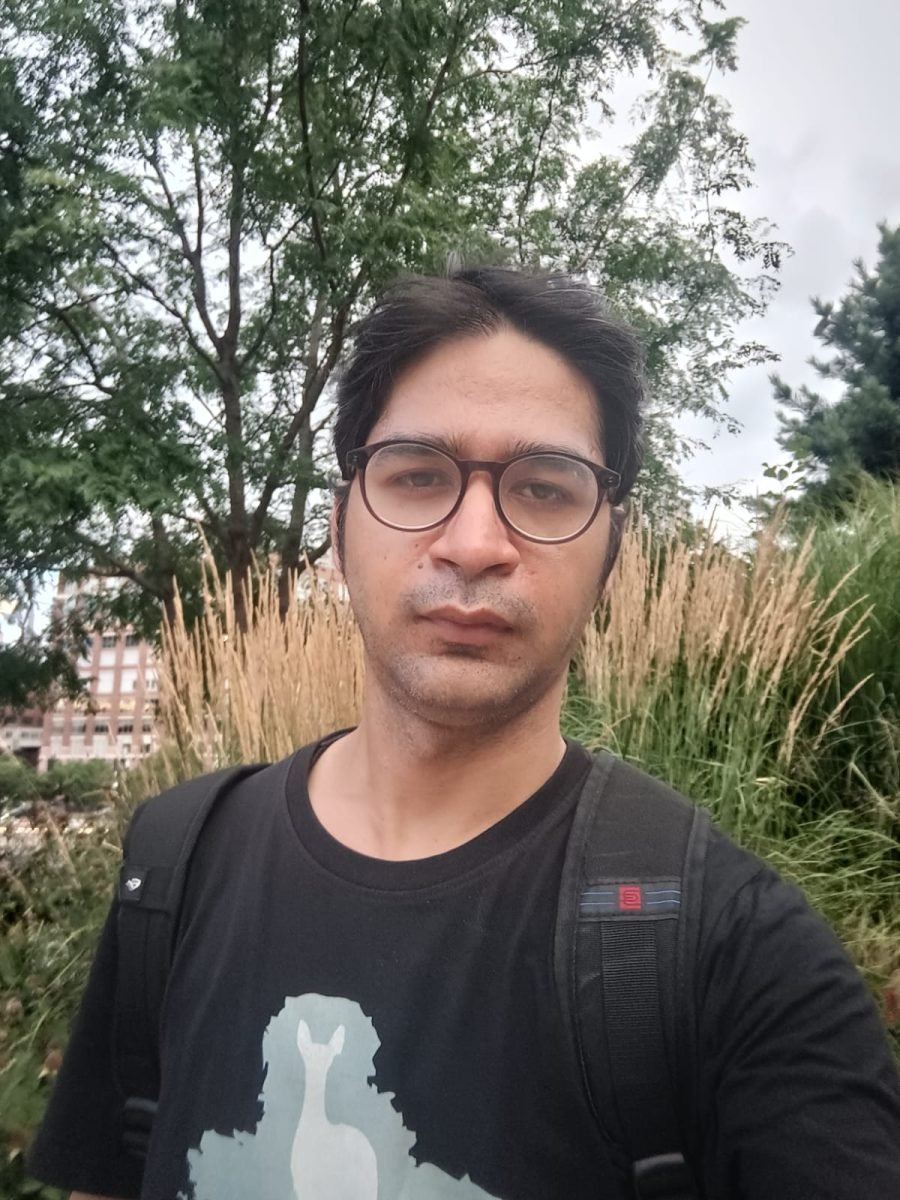
| First Name | Angshu |
| Last Name | Dutta |
| University/Institution | Vanderbilt University |
| Email ID | [email protected] |
| City | Nashville |
| Country | United States |
| State | Tennessee |
| Zip code | 37212 |
| Department | Molecular Physiology and Biophysics |
| Area of Research | Protein structure and dynamics |
| Area of Expertise | Cryo-EM, X-ray crystallography, protein purification, bioinformatics, artificial intelligence |
Brief Description of Research Interest :
My areas of expertise are experimental and computational techniques.
Experimental techniques: molecular cloning, plasmid/bacmid preparation and isolation, transformation and transfection of cells (DH5α, DH10α, Sf9, HEK 293S GnTI- cells), maintenance of mammalian cells, virus generation and preparation for cell infection for small/large scale protein purification (cytosolic and transmembrane), gel electrophoresis, protein purification (affinity-based purification using His-tag and Strep-tag including GFP-nanobody (GNB) based purification), conjugation of CNBr-Activated Sepharose with GNB (along with acidic and proteolytic elution of GFP-tagged proteins) incorporation of transmembrane proteins in nanodiscs, thin-layer chromatography, (fluorescence-detection) size-exclusion chromatography, circular dichroism, mass spectrometry, cellular calcium imaging using FURA, macromolecular crystallization including the associated optimization, cryo-EM grid making and clipping, energy dispersive X-ray spectroscopy embedded in scanning/transmission electron microscopy, Fourier-transform infrared spectroscopy, dynamic light scattering, isothermal titration calorimetry, atomic force microscopy.
Computational techniques: Cryo-EM data processing, data analysis and structure solving (started this year), data mining from primary and secondary biological databases, sequence- and structure-based analysis of proteins, phylogenetic analyses, domain analyses, multiple sequence alignment, motif identification, protein interactome studies, protein modelling, interactions in macromolecular complexes, molecular docking (protein-ligand, protein-protein), molecular dynamics simulation.
Representative Publications:
1. Dutta, A., Patel, S., and Kanaujia, S. P. (2026). Distinctive properties of Mla proteins differentiate them from classical ABC transporter components. Proteins: Structure, Function, and Bioinformatics, 94, 728-755
2. Dutta, A., Patel, S., and Kanaujia, S. P. (2025). Coordinated subdomain movements of MlaC regulate ligand binding and transport. Computational and Structural Biotechnology Journal, 27, 2074-2097
3. Dutta, A., and Kanaujia, S. P. (2024). The Structural Features of MlaD Illuminate its Unique Ligand-Transporting Mechanism and Ancestry. The Protein Journal, 43, 298-315.
4. Dutta, A. and Kanaujia, S. P. (2022). MlaC belongs to a unique class of non-canonical substrate-binding proteins and follows a novel phospholipid-binding mechanism. Journal of Structural Biology, 214, 107896.
5. Dutta, A., Chandravanshi, M. and Kanaujia, S.P. (2021). Conserved features of the MlaD domain aid the trafficking of hydrophobic molecules. Proteins: Structure, Function, and Bioinformatics, 89(11), 1473-1488.
6. Sinha, A.K., Dutta, A., Chandravanshi, M. and Kanaujia, S.P. (2019). An insight into bacterial phospholipase C classification and their translocation through Tat and Sec pathways: A data mining study. Meta Gene, 20, 100547.
7. Govindu, P. C., Chakraborty, P., Dutta, A. and Gowd, K. H. (2017). Structural space of intramolecular peptide disulfides: Analysis of peptide toxins retrieved from venomous peptide databases. Computational Biology and Chemistry, 68, 194-203.
8. Adhikari, R., Singh, D., Chandravanshi, M., Dutta, A. and Kanaujia, S.P. (2017). UgpB, a periplasmic component of the UgpABCE ATP-binding cassette transporter, predominantly follows the sec translocation pathway. Meta Gene, 13, 129-139.
9. Dutta, H. and Dutta, A. (2016). The microbial aspect of climate change. Energy, Ecology and Environment, 1, 209-232.
10. Dutta, H. and Dutta, A (2016). Contemporary teaching and research. Current Science, 110(2), 132-133.
11. Dutta, A. and Dutta, H. (2015). Some drawbacks of the higher education system in India. Current Science, 109(12), 2174-2175.
12. Dutta, H. and Dutta, A (2012). Seminars on biodiversity- do they inspire people? Current Science, 102(5), 657.